
Get a plan made for your unique body and goals
Gut Health: Everything You Need to Know for a Healthy Microbiome


Gut health is all about how well your digestive system works and how balanced its microbes are. This ecosystem, called the microbiome, helps you break down food, absorb nutrients, support immunity, and even change your mood and metabolism.
In recent years, gut function has become a major topic in scientific research and wellness conversations. And now, more people have started paying attention to their gut, not just for digestion but for overall well-being.
In today’s article, you’ll find clear, realistic guidance on what gut health truly means and how to support it sustainably.
Understanding the Gut Microbiome
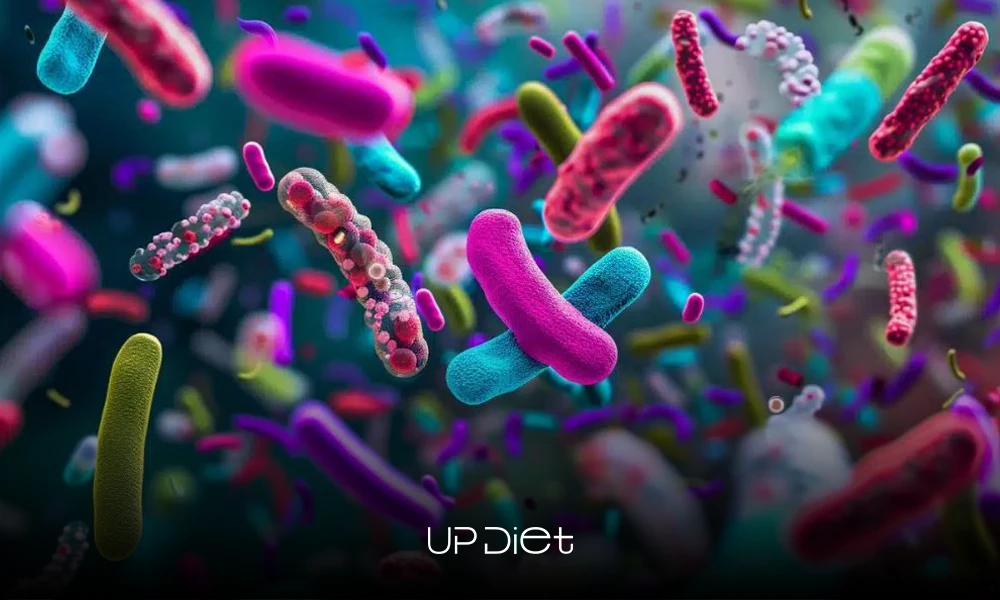
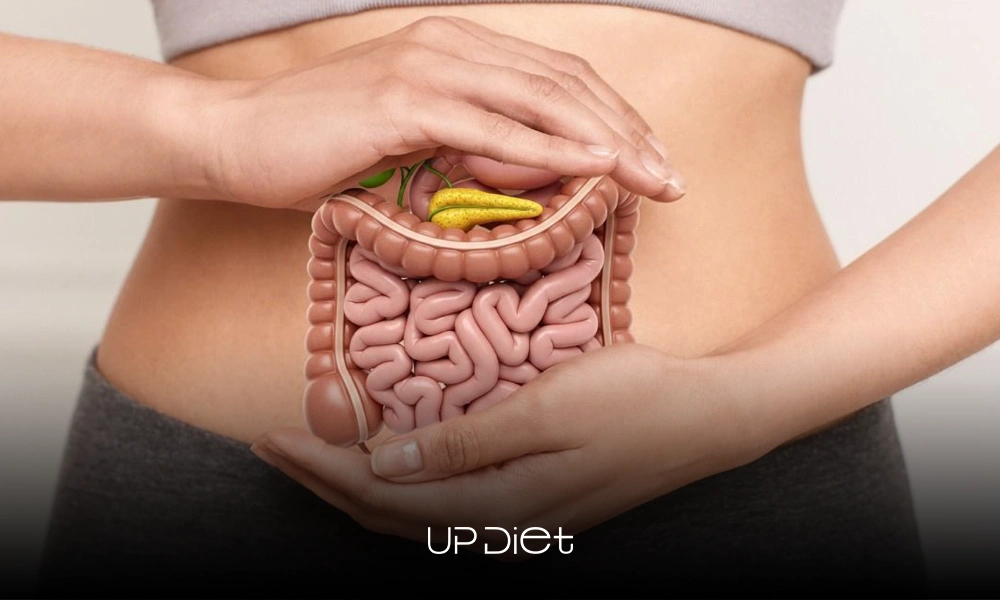
The gut microbiome is a complex community of microorganisms, including bacteria, archaea, viruses, fungi, and eukaryotes, that live in your digestive tracts (mainly the large intestine). There are different estimates, but most methods have counted roughly 100 trillion microbial cells and 5,000 microbial species, totaling about 2 kilograms.
When this ecosystem is balanced -in terms of species count and diversity- the microbes effectively digest what we can’t (like fibers), make beneficial metabolites (short-chain fatty acids, secondary bile acids, vitamins), and regulate the immune system.
However, when it’s out of balance (called “dysbiosis”), your digestion suffers, harmful metabolites increase, and immune signaling is disrupted, leading to chronic inflammation and increased susceptibility to certain diseases. Further studies on dysbiosis, such as this PubMed article, also point to other consequences, including damage to the intestinal wall.
Why Gut Health Matters for the Whole Body
Your gut microbiome isn’t isolated. In fact, it acts as an independent organ that constantly communicates with the brain, immune system, endocrine system, and even the skin through multiple routes:
- The gut-brain axis is a two-way network of neural, immune, and metabolic signals. The metabolites that microbes produce influence your neurotransmitters and affect mood, cognition, and stress response.
- Apart from supporting the mucosal barrier, gut microbes also help immune cells to distinguish harmless from harmful stimulants. This results in appropriate, non-aggressive reactions and prevents inflammatory responses.
- Gut microbes impact hormones and metabolism, too. Microbial enzymes transform bile acids and dietary compounds into signaling molecules that regulate glucose metabolism, insulin sensitivity, and appetite-related hormones.
- Finally, the gut can influence skin health. Suppose the microbiome is inflamed (due to harmful metabolites or distorted immune signaling). In that case, it can lead to acne, eczema, or other skin conditions.
Signs of an Unhealthy Gut
When the microbiome is disturbed, most people believe they’ll experience digestive issues. However, the complete list of common symptoms is a bit more diverse:
- Recurrent bloating, gas, or abdominal discomfort
- Irregular bowel habits (constipation, diarrhea, or alternating)
- Intense cravings for sugar or simple carbs
- Chronic low energy or unexplained fatigue
- Mood changes, anxiety, or poor concentration
- Persistent skin issues (acne, rashes, flare-ups)
Note! Keep in mind that symptoms of an unhealthy gut are nonspecific; they can reflect several causes. However, together they often point to gut function and microbial interactions.
What Is Personalized Nutrition for Gut Health?
Personalized nutrition tailors dietary advice using unique personal data, such as food logs, biomarkers (blood lipids, glucose, inflammatory markers), metabolomics, and, especially, microbiome profiles.
Instead of standard rules and recommendations, personalization predicts how a specific individual (you, for example) responds to certain foods. Then it provides targeted dietary (and even lifestyle) guidance to improve digestion, blood sugar control, and inflammation, among other areas.
How Personalized Gut Diets Work
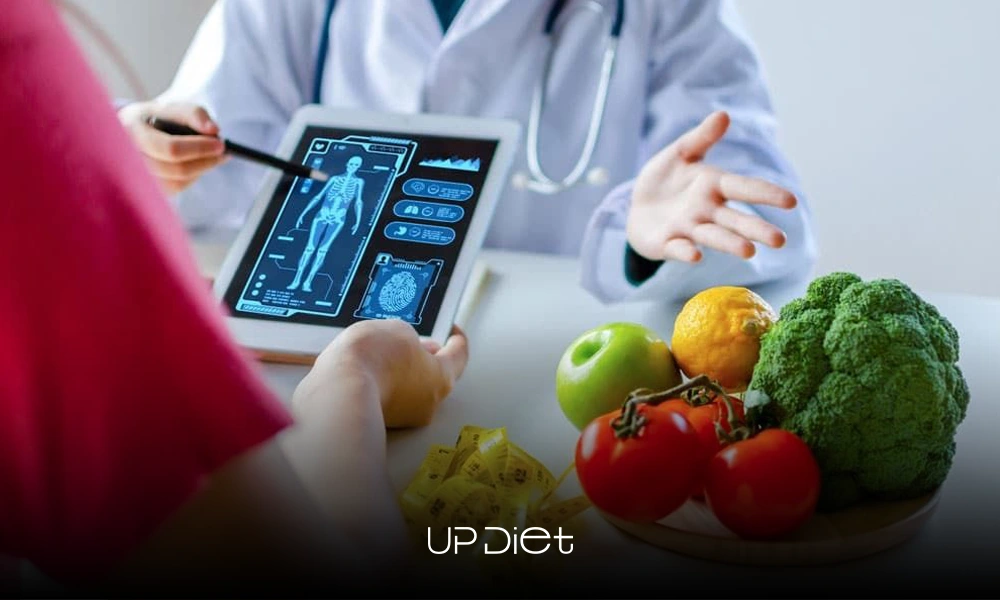
- Data collection: Data are primarily collected via stool microbiome sequencing, blood biomarkers, food logs, symptom diaries, and, sometimes, metabolomics or continuous glucose monitoring (CGM).
- Analysis: Computer technologies and algorithms integrate microbiome features, dietary habits, and clinical markers to identify issues (e.g., low counts of fiber-fermenting bacteria, high levels of inflammatory metabolites).
- Recommendations: Tailored meal plans, prebiotic/probiotic suggestions, and behavior coaching are provided via app or plan. For example, if a person lacks butyrate-producing bacteria, the plan will prioritize resistant starch and specific fibers to feed those microbes.
- Tracking and adjustment: If needed, the test will be repeated to monitor ongoing symptoms and refine recommendations as the microbiome and biomarkers change.
What Can Personalization Actually Improve?
Personalized approaches match foods and timing to your biology and preferences. This, as observed in multiple studies, increases the chance of practical benefits such as:
- Regular bowl movement and less bloating
- Better appetite regulation and post-meal blood sugar control
- Improved nutrient use, thanks to targeted food choices
- Fewer blind experiments and less trial-and-error with diets
- Higher motivation and long-term adherence since plans fit individual tastes and responses
Scientific Evidence Behind Gut Personalization
Large initiatives, such as the NIH Human Microbiome Project, laid the groundwork by mapping normal microbial variation and demonstrating the link between microbial features and health outcomes.
Followed by integrative projects (iHMP), these programs demonstrate that personalization can yield measurable improvements, especially in digestion, metabolic markers (glucose, lipids), and inflammation in some participants. However, it’s not a guaranteed treatment and requires repeat measures and clinical oversight.
These reviews also warn that a “healthy microbiome” differs across people; what matters most is what microbes do and the outcomes they produce, not a fixed list of species.
Limitations and Misconceptions
Personalization is powerful; still, it can’t change behavior, erase environmental effects (antibiotics, pollutants, sleep, stress), or promise long-term results without adherence and follow-up. There are also misconceptions about personalization and its related tests, for instance:
- A single stool sample (in microbiome tests) gives a complete picture. No, it’s more like a snapshot of your current digestive health, and it needs functional or metabolic context for a more accurate result.
- Personalized plans instantly work for everyone. No, time, consistency, and other factors play key roles, too.
- All commercial microbiome recommendations are evidence-based. No, actually, quality varies widely.
- Probiotics will fix any microbiome problem and restore gut health. No, bacterial strain (variation) and condition-specific evidence are necessary.
Dietary and Lifestyle Factors That Support Gut Health
Healthy microbiome function relies on a balanced, varied diet paired with supportive lifestyle habits. Focusing on a single magic food or supplement seems intriguing, but these steps are more effective:
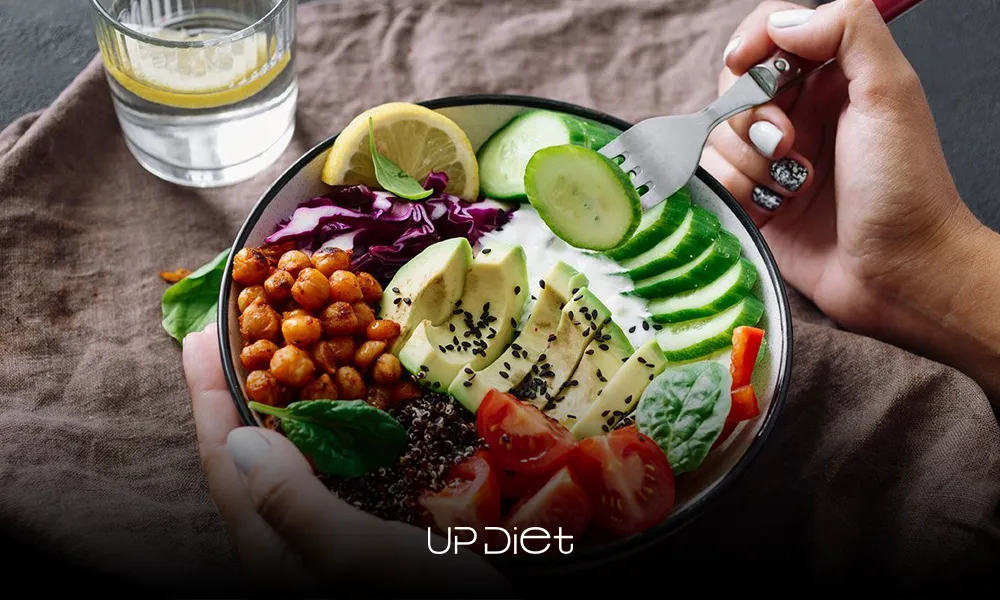
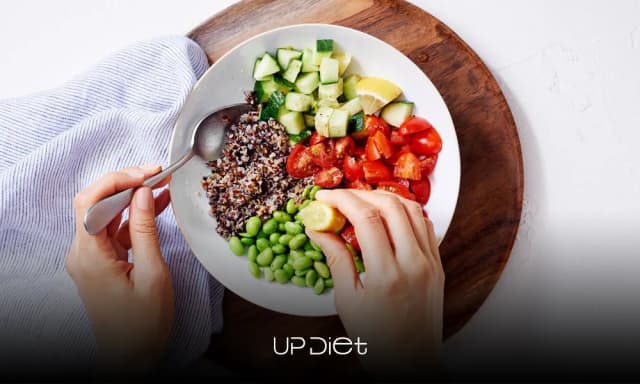
- Eat a variety of plant foods (vegetables, fruits, legumes, whole grains) for fiber and polyphenols.
- Include natural sources of prebiotics and probiotics where tolerated.
- Drink enough water every day. Eat more water-rich fruits if you’re struggling with staying hydrated.
- Limit ultra-processed foods high in emulsifiers and sugar.
- Prioritize quality sleep, regular physical activity, and stress management.
Common Foods and Nutrients That Help the Microbiome
Note: These categories are among the most frequently recommended across recent reviews and trials. Still, they need to be matched with individual tolerances and conditions.
Is a Personalized Gut Health Plan Useful in Real Life?
Personalization shines when someone has persistent digestive symptoms, metabolic risk factors (prediabetes, large glucose swings after meals), or has tried generic diets without success.
Personalized plans can also speed up symptom relief, reduce guesswork, and improve diet adherence. However, the expense, need for repeated testing, and the current variability in evidence mean it may not be necessary or affordable for everyone.
- Pros: targeted prevention/interventions, better adherence, reduced trial-and-error, balanced energy levels, measurable biomarker changes for some people.
- Cons: costs, limited insurance coverage, variable test quality, need for clinical interpretation, need for consistency, not a substitute for core healthy habits.
Alternative or Complementary Personalization Methods
There are other data-driven methods beyond stool microbiome testing, for instance:
- Continuous glucose monitors (CGM) for personalized glycemic response insights
- Blood panels (lipids, CRP, fasting glucose) for metabolic risk
- Wearable tracking for sleep and activity context
- AI-based diet apps or platforms like UpDiet that combine data insights for practical use
- Multi-omic testing (metabolomics and microbiome) for functional depth
How to Get Started with Gut-Focused Personalization
- Assess current habits and symptoms with a food diary and symptom log.
- Identify priority symptoms, including digestion, energy, glucose control, or inflammation.
- Track your diet for 2-3 weeks and consider CGM or basic blood tests if you have metabolic goals as well.
- Consult a registered dietitian or clinician experienced in microbiome interpretation.
- Choose reliable tools like UpDiet or other programs with clinician oversight and transparent methods.
Future of Gut Health Research
Research is moving toward functional, multi-omic personalization. New directions include rationally designed microbiome therapeutics (live biotherapeutic products), personalized probiotics based on strain-matching, phage therapies that selectively remove unwanted microbes, and gene-microbe interaction studies that detail how host genetics shape microbial effects.




- In this post:
- Understanding the Gut Microbiome
- Why Gut Health Matters for the Whole Body
- Signs of an Unhealthy Gut
- What Is Personalized Nutrition for Gut Health?
- How Personalized Gut Diets Work
- What Can Personalization Actually Improve?
- Scientific Evidence Behind Gut Personalization
- Limitations and Misconceptions
- Dietary and Lifestyle Factors That Support Gut Health
- Common Foods and Nutrients That Help the Microbiome
- Is a Personalized Gut Health Plan Useful in Real Life?
- Alternative or Complementary Personalization Methods
- How to Get Started with Gut-Focused Personalization
- Future of Gut Health Research