
Get a plan made for your unique body and goals
From Microbiome to Meal Plan: How Your Gut Shapes Truly Personalized Nutrition



Personalized nutrition used to be about genes and DNA. Still, in recent years, a new approach has stolen the spotlight: gut microbiome personalized nutrition.
This microscopic world plays a decisive role in how our body treats food, making it an accurate compass for understanding what’s “right” for each individual. Let’s find out how these nutrition plans work and why they’re so effective.
What Is Gut Microbiome Personalized Nutrition?
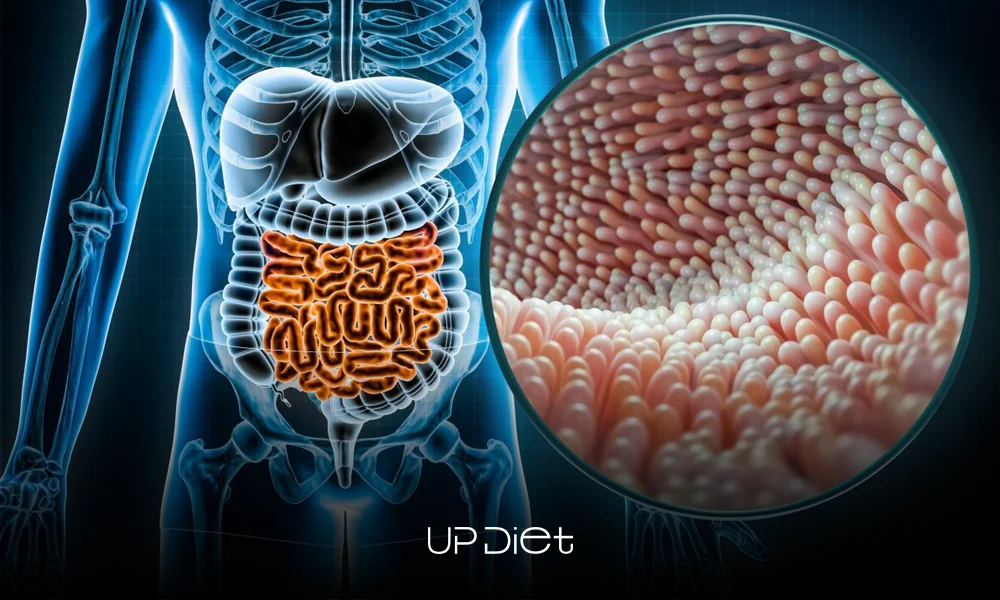
As the name suggests, it’s a tailored dietary approach that designs meal plans based on your unique gut Microbiome. Generic diets rely on calorie counts or food pyramids, but this method focuses on internal biology to…
- Understand each person’s microbial diversity and metabolic activity.
- Target microbial balance to improve digestion, immune function, and overall health.
- Predict individualized food responses for effective weight control.
- Identifying the foods that trigger different metabolic reactions in different people.
How the Gut Microbiome Influences Nutrition Decisions
This ecosystem acts as a “metabolic partner,” determining how your body responds to food and nutrients. In other words, specific microbial compositions determine key mechanisms, such as:
- Producing microbial metabolites (like SCFAs) to prevent chronic gut inflammation.
- Metabolizing fat and glucose effectively to improve insulin sensitivity.
- Properly digesting fibers, lactose, and proteins, which shape individual food tolerances.
- Determining how much energy is harvested from food.
- Predicting blood sugar spikes after meals, AKA the glycemic response (the perfect guide for carbohydrate choices).
- Affecting fat storage and appetite hormones, which greatly influence weight outcomes.
From Data to Diet: How Microbiome Insights Become Meal Plans
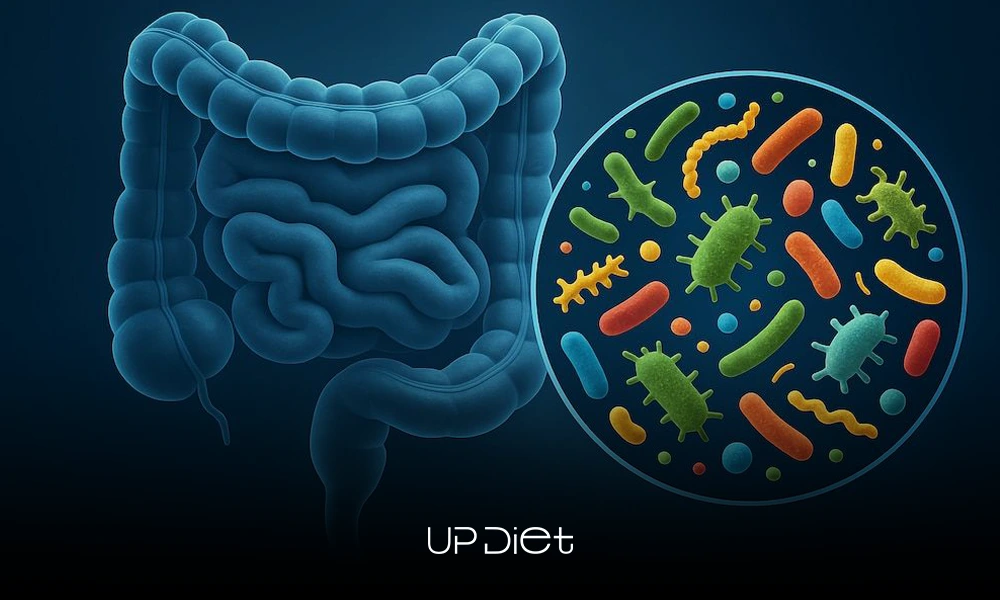
Turning microbiome science into actionable meal planning involves integrating biological data with nutritional analytics. Let’s have a closer look at the process:
- Sampling: Collecting a stool sample to identify the species and activities of microbes.
- Analysis: Using sequencing tools like 16S rRNA or metagenomics to detect patterns linked to metabolism or inflammation.
- Scoring: Generating a personal health or response score based on microbial markers.
- Food recommendations: Matching dietary fibers, fats, and proteins to nourish beneficial bacteria.
- Structured meal planning: Building a personalized nutrition plan for your gut microbiome. Daily menus that align with your metabolic profile for ideal gut balance, weight, and energy.
Why Microbiome-Based Personalization Matters
Microbiome-based diets fill the gap between nutrition science and human individuality. They target the root differences from the start and ground their instructions in measurable, biological data. This approach has notable practical values such as:
- Precision: Aligning diet with microbial and metabolic fingerprints for more predictable results.
- Symptom reduction: Managing bloating, glucose spikes, and digestive discomfort by restoring microbial balance.
- Metabolic improvement: Supporting better energy levels, lipid regulation, and insulin sensitivity.
- Prevention focus: Detecting early microbial markers of metabolic risk to enable proactive nutrition adjustments.
- Sustainability: Encouraging realistic, adaptive diets that evolve with lifestyle and microbiome changes.
Factors That Shape the Microbiome Over Time

The living bionetwork in your gut is constantly reshaped by internal and external factors, including:
- Diet quality: Fiber-rich, plant-based foods feed beneficial bacteria. In contrast, high-fat or low-fiber diets starve them and reduce diversity.
- Antibiotics: Broad-spectrum drugs wipe out both beneficial and harmful microorganisms, causing unhealthy disruption.
- Stress: Chronic stress alters gut-brain communication and microbial composition.
- Sleep habits: Sleep deprivation or irregular patterns affect your inner clock and prevent regulated metabolism.
- Lifestyle: factors, including physical activity, hygiene, and exposure to different environments, also affect the quantity and functions of good bacteria.
As the gut balance shifts daily, and simple habits determine its health over time, the solution should be all-inclusive. Companies like UpDiet provide microbiome-based personalized nutrition programs that interpret these dynamics to create adaptive, data-driven eating plans.
Practical Implications for Daily Eating
Turning lab insights into simple, healthy habits is easier than you think. There’s no focus on harsh restrictions, only a smart checklist that feeds both your body and your microbes:
- Combine prebiotic fibers (onions, oats, legumes) with probiotic ferments (yogurt, kefir) for synergy.
- Blend soluble fibers (oats, legumes) and insoluble fibers (vegetables, grains) gradually to enjoy benefits without any discomfort.
- Keep consistent eating intervals to support metabolic and circadian cycles.
- Favor whole grains and resistant starches for steady SCFA production.
- Limit ultra-processed foods and artificial sweeteners, as they disrupt balance.
- Reassess and adjust your plan regularly; the microbiome needs to evolve with diet, lifestyle, and even season.
Final Thoughts
The era of one-size-fits-all advice is ending, and the next generation of nutrition is personal, precise, and powered by data. Listen more attentively to your body and transform your overall health (not just digestive health) from the inside out.



- In this post:
- What Is Gut Microbiome Personalized Nutrition?
- How the Gut Microbiome Influences Nutrition Decisions
- From Data to Diet: How Microbiome Insights Become Meal Plans
- Why Microbiome-Based Personalization Matters
- Factors That Shape the Microbiome Over Time
- Practical Implications for Daily Eating
- Final Thoughts