
Get a plan made for your unique body and goals
Increase Energy with Diet: A Practical Guide to Energizing Meal Choices


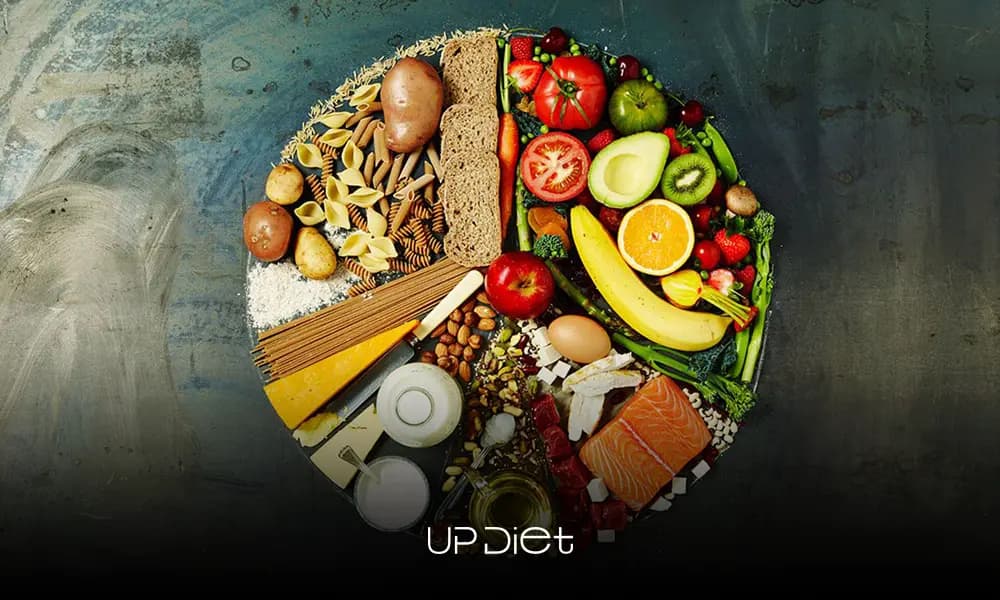
Calories are fuel. So why do many people feel tired despite eating enough? This often points to issues with the structure and timing of their meals. To increase energy with diet, you need to focus on the rhythm, balance, and quality of food (and how they influence blood sugar).
In this article, we'll explore eating habits that leave you drained, how to maintain your energy throughout the day, and when it's better to consider personalized nutrition.
What Causes Low Energy Related to Diet?
Most sources blame "unhealthy foods." However, low energy usually comes from deeper diet-related factors that affect how your body produces and uses energy.
According to evidence-based research, these poor nutritional habits are the main culprits behind energy dips:
- Blood sugar swings: Eating refined sugars or processed carbohydrates can cause rapid spikes in blood sugar, followed by crashes and fatigue.
- Low protein intake: Protein is essential for building/repairing muscles and hormone production, and a diet too low in protein means reduced stamina and muscle function.
- Poor hydration: When you're dehydrated (even mildly), your tissues don't have enough fluids to function well, which causes physical and mental tiredness.
- Micronutrient deficiencies: Low intake of vitamins and minerals (especially iron, magnesium, and B vitamins) significantly affects energy levels and can trigger fatigue.
- Inadequate fat intake: Healthy fats are critical for energy, too. Without enough omega-3s and other essential fats, your body will have a hard time maintaining energy throughout the day.
- Heavy meals: Large portions, especially those high in fat or refined carbs, can also cause sluggishness, as your body diverts energy to digestion.
- Irregular meal timing: Skipping meals or eating inconsistently easily disrupts energy balance
Foods and Patterns That Improve Energy Stability
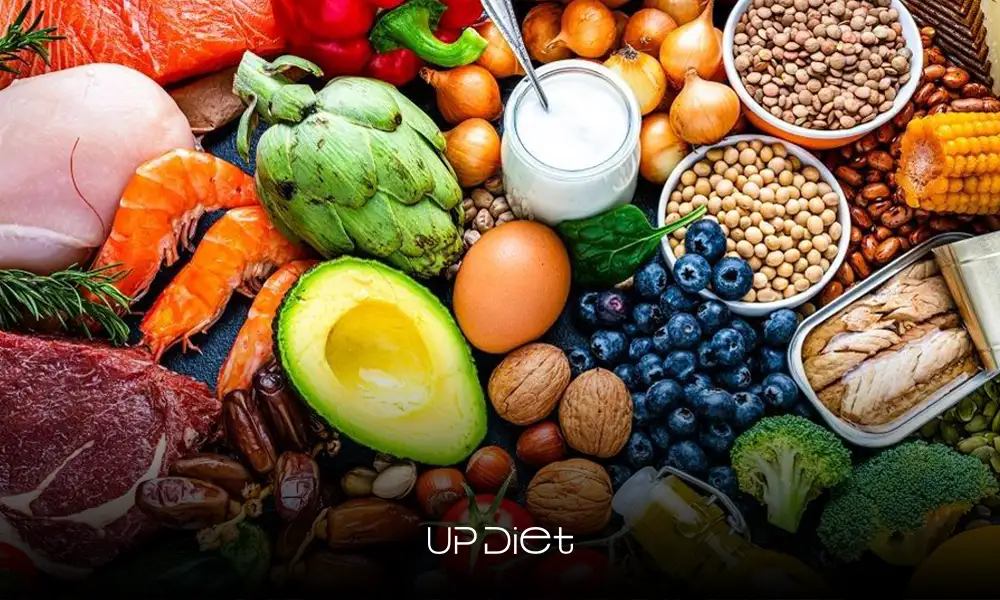
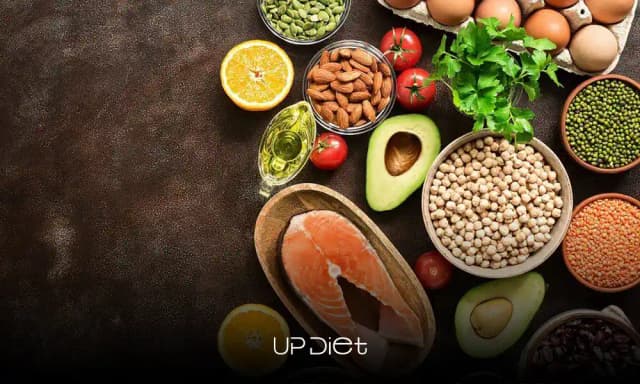
To increase energy with diet (and avoid crashes), you need to focus on foods and nutrients that offer steady, sustained energy levels, including:
- Balanced macros: Aim for an expert-approved mix of protein (20-30%), complex carbohydrates (45-65%, preferably low-GI), and healthy fats (20-35%).
- Low-GI carbs: For the 45-65% of carbohydrates, choose options with a low glycemic index, such as whole grains, legumes, sweet potatoes, quinoa, and vegetables.
- Iron-rich foods: Red meat, liver, spinach, and lentils help combat iron deficiency, a key contributor to low energy.
- B-vitamin sources: For better energy metabolism and alertness, B-vitamins in whole grains, eggs, and leafy greens are crucial to your diet, too.
- Omega-3 fatty acids: Fatty fish, flax seeds, and walnuts are excellent sources of omega-3s, which support brain function and boost energy.
- Consistent hydration: Drink enough water (2-3 liters per day) to prevent dehydration and keep energy levels stable. Sip regularly, don't chug large amounts at once.
- Meal spacing: A diet to boost energy separates meals by 3 to 4 hours to prevent sluggishness and blood sugar crashes.
Habits and Choices That Drain Energy
If you want to preserve your body's natural rhythm and avoid chronic fatigue, these are the main choices and habits to stay clear of:
- Sugar spikes and crashes: High sugar intake from sodas, candies, pastries, etc., causes rapid energy spikes followed by crashes that leave you feeling sluggish.
- Skipping meals: Skipping or irregular meals can lead to blood sugar dips, as well as fatigue, irritability, and difficulty focusing shortly after.
- Ultra-processed foods: Fast food, packaged snacks, and baked goods often lack nutrients and are high in empty calories; the perfect recipe for fatigue after eating.
- Caffeine mis-timing: Consuming caffeine late in the day disrupts your sleep and keeps you tired the next day.
- Late, heavy dinners: Large, fatty meals before bed also reduce your sleep quality and leave you feeling tired in the morning.
Practical Meal Structuring for Better Energy
When trying to increase energy with diet, foods aren't the only essential factor; how you structure your meals is also important. Here's how to have a balanced, actionable approach:
- Front-load protein: Aim for protein-rich breakfasts or lunches to stabilize blood sugar and feel energized for the rest of the day.
- Mid-day carb timing: Eat moderate amounts of low-GI carbs in the afternoon to prevent post-lunch energy slumps.
- Light evening meals: Avoid heavy, high-fat meals at dinner. Try lighter recipes with lean protein and fiber-rich vegetables instead.
- Post-meal walks: A short walk after meals (10-15 minutes) improves digestion, prevents blood sugar spikes, and boosts energy.
When Personalized Nutrition Helps
Standard diets to gain energy benefit a lot of people, but they may fail for individuals with specific health concerns, for example:
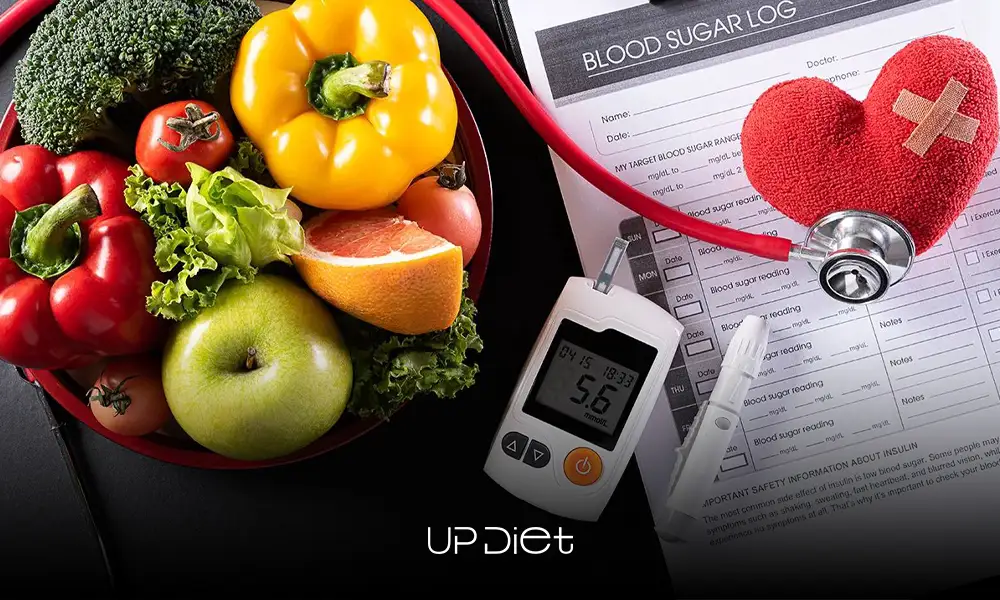
- Blood sugar variability: Experiencing greater fluctuations in blood sugar makes stabilizing energy and preventing sharp highs/lows crucial.
- Anemia risk: Iron deficiency calls for a diet plan that focuses on increasing bioavailable iron from patient-preferred sources.
- Food intolerances: If you are sensitive to gluten, dairy, or other allergens, personalized plans can eliminate problematic foods and boost energy by reducing digestive stress.
If you're dealing with any of these issues, tailored plans (from registered dietitians or AI-powered providers like UpDiet) help optimize energy by addressing your specific needs.
Final Thoughts: The Realistic Way to Increase Energy with Diet
Caffeine and quick fixes only get you so far; you need to nourish yourself with the right foods and habits consistently.
Start by making small, manageable dietary changes, such as balancing your macros, staying hydrated, and choosing nutrient-dense meals. It will take time, but the results are worth it.


- In this post:
- What Causes Low Energy Related to Diet?
- Foods and Patterns That Improve Energy Stability
- Habits and Choices That Drain Energy
- Practical Meal Structuring for Better Energy
- When Personalized Nutrition Helps
- Final Thoughts: The Realistic Way to Increase Energy with Diet