
Get a plan made for your unique body and goals
Gut Health Superfoods: What to Eat for Better Digestion and a Stronger Microbiome


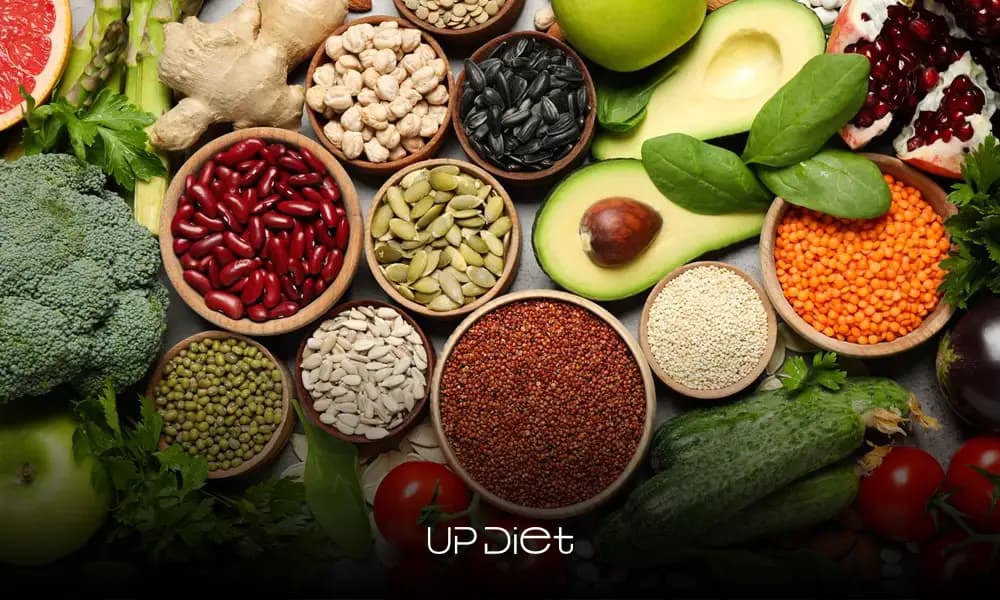
What is a superfood? Generally, it’s any nutrient-dense food beneficial for health. Depending on the context, though, it may refer to plant-based foods, whole foods, or something else; just like superfoods for gut health, where the conversation is about foods that nourish the gut microbiome.
Let’s see how these superfoods support your gut, which are the best, and how you can effortlessly blend them into your regular diet.
How Superfoods Support Gut and Digestive Health
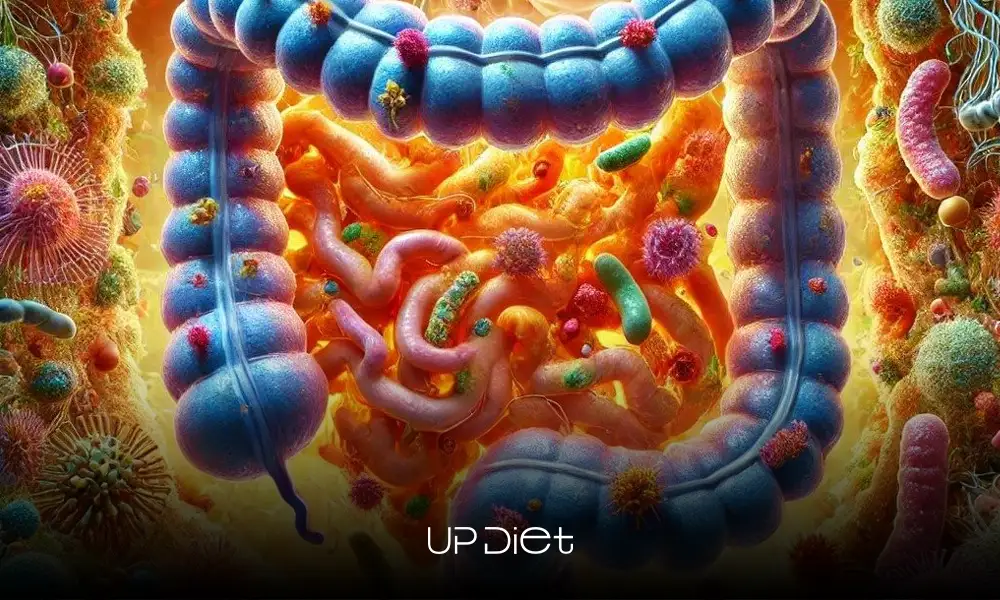
Recent studies, like this PubMed article, don’t necessarily use the term "superfood," but they agree on how certain foods/nutrients support gut health. Most of these foods affect the composition and function of the microbiome; they promote beneficial bacteria while suppressing harmful ones, leading to a balanced, diverse microbiota.
There are also some foods that our body can’t digest, but gut microbes can ferment. This fermentation process produces beneficial metabolites, such as short-chain fatty acids (SCFAs), which help strengthen the gut lining, reduce inflammation, and regulate the immune system.
Top Superfoods for Gut Health
In a simpler categorization, superfoods for digestive health typically work via two methods: feeding beneficial bacteria (prebiotics) or adding beneficial bacteria (probiotics). Foods rich in fiber, polyphenols, healthy fats, and fermented cultures can help you do that, for instance:
How to Add These Superfoods to Your Daily Diet
These foods work best when added consistently and in combination. Instead of focusing on a hypothetical best superfood for gut health, implement the following, science-backed steps in your day-to-day meals:
- Pair your meals with kimchi, kefir, yogurt, sauerkraut, etc., daily. Research shows that a daily serving of fermented foods steadily increases microbial diversity and lowers inflammation markers.
- Boost your meals (especially breakfast) with fiber. Sprinkling chia or flax on yogurt, oatmeal, salads, or blending them into smoothies is the easiest way to increase fiber intake.
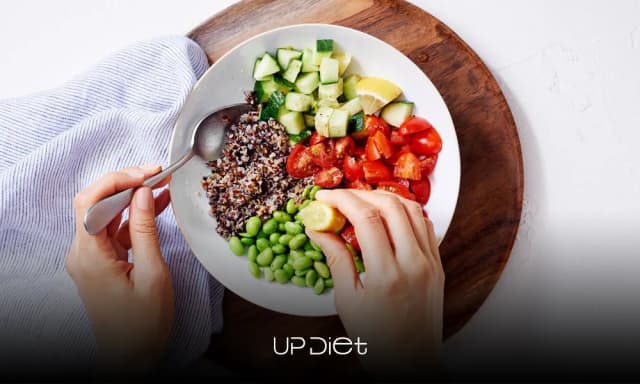
- Swap refined grains like rice or pasta for prebiotic-rich options like quinoa or whole grains to boost soluble fiber intake.
- Pair fibers with healthy fats to support nutrient absorption and better digestion.
- Don’t increase your fiber intake too quickly if you don’t want to struggle with bloating or similar issues. Be gradual and let your microbiome adapt.
- Aim for eating 30+ plants per week (fruits, vegetables, herbs, nuts, seeds, legumes). This is one of the strongest research-backed habits for improving microbiome diversity.
- Consuming more fiber makes it crucial to drink enough water. Stay hydrated so the soluble fibers can actually improve motility and digestion.
- Try swapping unhealthy snacks and sugary drinks with polyphenol-rich fruits and herbal teas.
Foods to Limit for Better Gut Health
While enjoying more superfoods for digestive health, limiting these foods can further boost your microbiome and regularity:
- Processed foods: They lack beneficial nutrients, feed harmful bacteria, and reduce diversity. They’re also full of inflammatory additives (emulsifiers, sweeteners, unhealthy fats) that damage the gut lining.
- Refined sugars: Refined sugar (no matter the source) also disrupts microbiome balance by feeding bad bacteria and starving good bacteria.
- Artificial sweeteners: When consumed excessively, sugar substitutes like saccharin, sucralose, and aspartame have a similar effect as refined sugars.
- Low-fiber meals: When your meals lack fiber, you’re basically depriving beneficial bacteria from what they need to thrive, which leads to slower digestion, inflammation, and even infection.

Final Thoughts
Gut health improves when nutrient- and fiber-rich superfoods become part of your diet in the long run; this is the one factor that can make or break digestive function. If you need help with long-term planning and/or adherence, consider supportive tools such as UP-Diet to create personalized, superfood-based nutrition plans.




- In this post:
- How Superfoods Support Gut and Digestive Health
- Top Superfoods for Gut Health
- How to Add These Superfoods to Your Daily Diet
- Foods to Limit for Better Gut Health
- Final Thoughts