
Get a plan made for your unique body and goals
Navigating the FODMAP Food List: Top Low-FODMAP Foods You Can Trust



FODMAPs are poorly absorbed sugars that go straight to the large intestine, where gut bacteria ferment them, producing excess gas and bloating. Low FODMAP foods contain fewer fermentable carbs and don't cause stomach upsets. But managing IBS symptoms isn't as simple as following a 'Yes/No' FODMAP list.
Read on to learn which foods you can enjoy and which you can reintroduce—and how.
Top Low-FODMAP Foods You Can Trust
Here’s a low-FODMAP food list that you can introduce to your diet:
Practical notes:
- Watch serving sizes; even low-FODMAP foods like tomato or banana can become high-FODMAP when portions increase.
- Packaged snacks or sauces may contain high-FODMAP ingredients such as garlic, onion, or honey. Check labels thoroughly.
- Sugar alcohols such as sorbitol, mannitol, xylitol, and high-fructose corn syrup are common FODMAP and IBS culprits to avoid.
- When preparing meals, avoid using utensils or cutting boards that have come into contact with high-FODMAP foods (such as garlic) to reduce the risk of cross-contamination.
- Last but not least, remember that low-FODMAP food lists vary widely between sources (as shown in this PubMed article). That’s why it’s recommended to confirm ingredient safety with a reliable source and/or a certified dietitian.
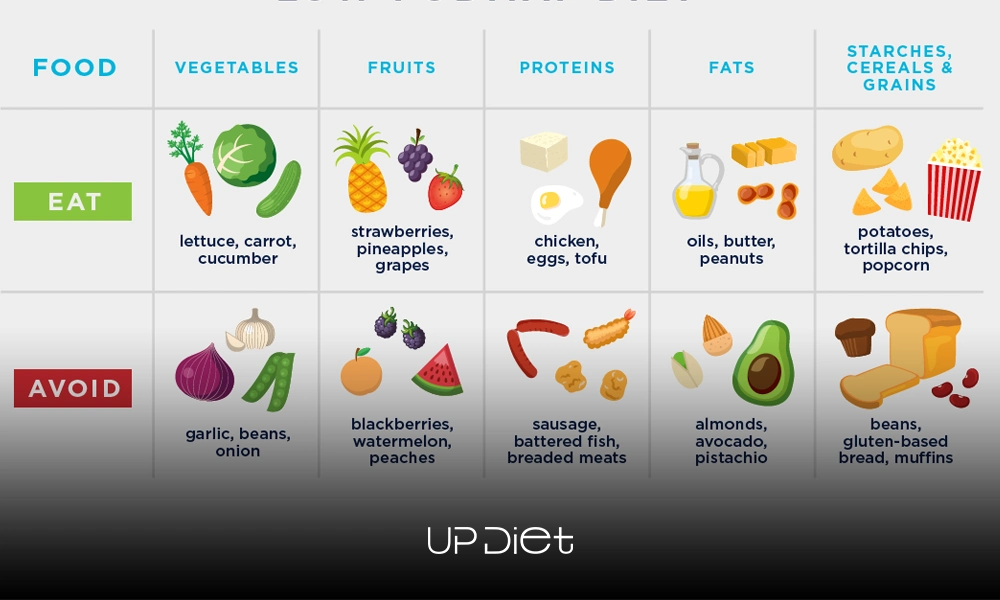
High-FODMAP Foods to Limit or Avoid
Knowing low-FODMAP foods is important, but also learn about common triggers, why they cause symptoms, and how to reintroduce them:
Wheat
- Why it triggers: Wheat contains fructans, high-FODMAP carbs that the small intestine can't absorb, and gut bacteria poorly ferment. This results in bloating, gas, and pain.
- Reintroduction: After an elimination phase (2 to 6 weeks), start with a small amount of wheat (such as a slice of bread) once a day for 2-3 days, monitoring symptoms. Gradually increase the portion if well tolerated to find your personal threshold.
Note: Use these timeframes for other triggers as well.
Garlic and Onion
- Why they trigger: Both are high in fructans, which cause discomfort due to poor absorption and fermentation.
- Reintroduction: Carefully reintroduce small amounts by using garlic-infused oils or adding a small piece of cooked onion to a meal for 2-3 consecutive days, watching for symptoms. Increase quantities gradually as tolerated.
Apples
- Why they trigger: Apples contain fructose and sorbitol, high-FODMAP sugars that cause gas, bloating, and diarrhea from poor absorption and fermentation.
- Reintroduction: First, eat small portions of low-FODMAP fruits for a few days to build tolerance. Then, introduce apples in very small amounts, increasing slowly while tracking any symptoms, since fructose sensitivity varies by person.
Legumes and Pulses
- Why they trigger: Lentils, chickpeas, and beans are high in galacto-oligosaccharides (GOS), which cause gas, bloating, and pain because gut bacteria cannot ferment them well.
- Reintroduction: Begin with a small serving of canned lentils or chickpeas (such as 1-2 tablespoons) once a day for several days, noting any symptoms. If tolerated, try other legumes in small amounts, and gradually increase portions to assess your tolerance.
Dairy
- Why it triggers: Lactose in milk, soft cheeses, and yogurt triggers IBS symptoms like bloating, cramping, and diarrhea in people with lactose intolerance.
- Reintroduction: After eliminating lactose, try adding small amounts of lactose-free products or hard cheeses daily for several days while monitoring symptoms. If tolerated, gradually add small servings of regular dairy (like ¼ cup milk) and increase as tolerated.
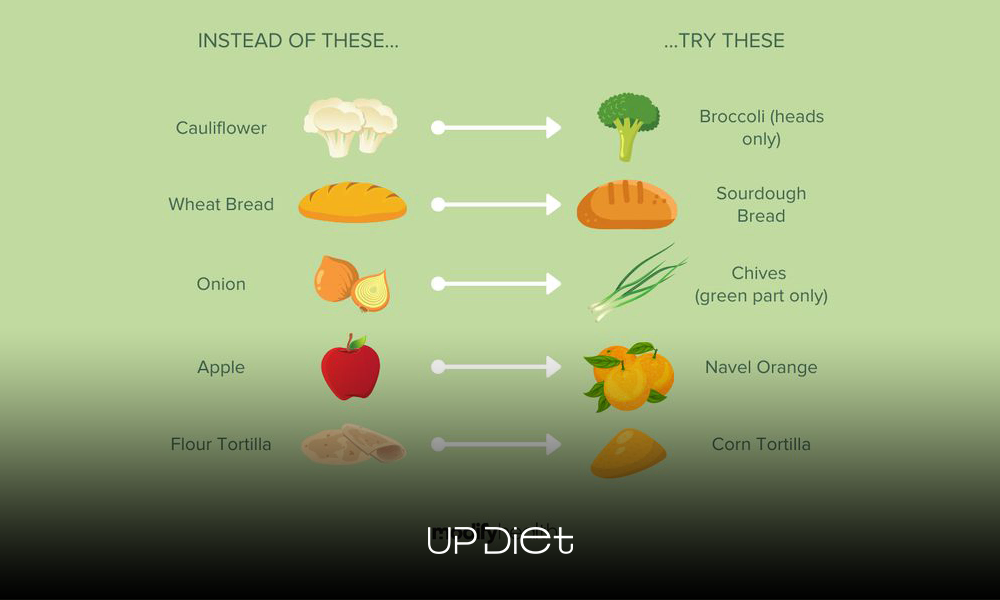
How to Use the FODMAP Food List Effectively
The FODMAP list is a tool for personalization. After reviewing evidence-based lists, use these tips:
- Use these lists as a portion guide, not to add or remove options. Many foods are only low- or high-FODMAP at specific serving sizes. Do not exceed recommended portions to manage symptoms.
- Check labels for common high-FODMAP ingredients like onion, garlic, wheat, inulin, chicory root, honey, and polyols; even small amounts can matter.
- Don’t eat several low-FODMAP foods from the same category at one meal, since this may exceed your tolerance and cause discomfort.
- Not everyone responds the same to each food. Keep a food-symptom log to identify your triggers and tolerances.
- Don’t follow strict, long-term restrictions—support gut health by personalizing and reintroducing foods as research suggests.
Final Thoughts
Low-FODMAP food lists are highly effective for symptom control, but portion control, label awareness, and symptom tracking are equally important. Start by using practical tools like UP-Diet for personalized low-FODMAP planning and make your journey easier and more sustainable today.




- In this post:
- Top Low-FODMAP Foods You Can Trust
- High-FODMAP Foods to Limit or Avoid
- How to Use the FODMAP Food List Effectively
- Final Thoughts