
Get a plan made for your unique body and goals
IBS Doesn’t Have to Win: How the Right Diet Strategy Can Shift the Balance


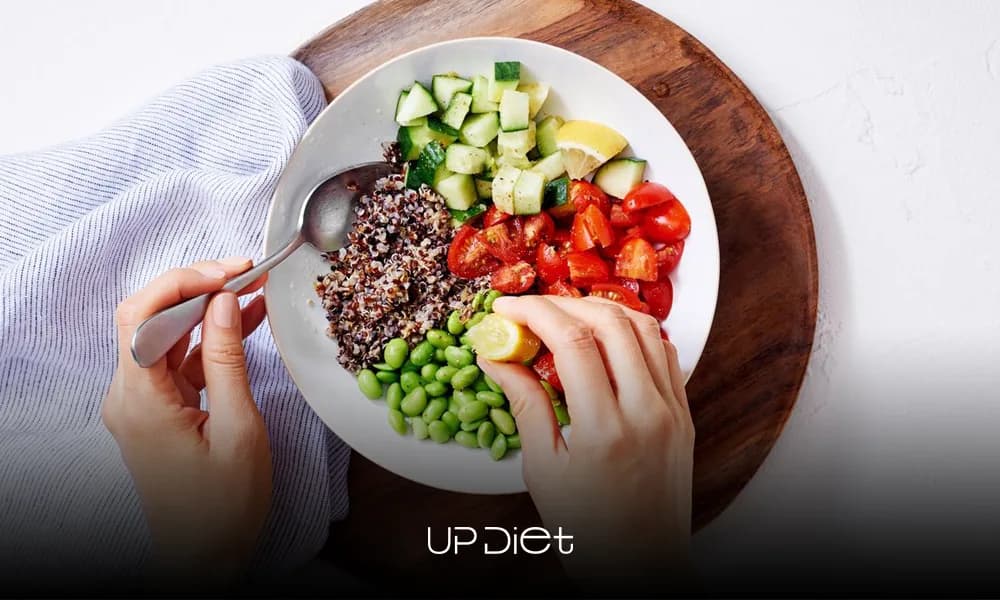
IBS affects around 11% of the population globally, and only 30% of people who experience its symptoms consult a physician. If you’re among that 70% who don’t, the right IBS diet (AKA low-FODMAP diet) could relieve your symptoms.
According to different reviews, meta-analyses, and randomized controlled trials, this dietary strategy could improve IBS-related discomforts, whether caused by gut-brain axis imbalance, visceral hypersensitivity, or other factors.
What Causes IBS?
Irritable bowel syndrome (IBS) is a common condition that causes digestive discomfort by affecting the stomach and intestines. The exact cause of IBS remains unknown, but certain factors contribute to its pathophysiology.
These core mechanisms include gut-brain axis dysregulation, visceral hypersensitivity, gastrointestinal dysmotility, microbiome imbalance (dysbiosis), altered intestinal permeability, low-grade mucosal inflammation, food intolerances (reported in 20-65% of patients), and psychosocial factors like stress.
The key point is that IBS isn’t structural damage; it’s a functional disorder. In IBS, the digestive system has no visible damage, inflammation, ulcers, or abnormalities. The problem lies within the gut’s motility, sensation, nerve signaling, and how it communicates with the brain.
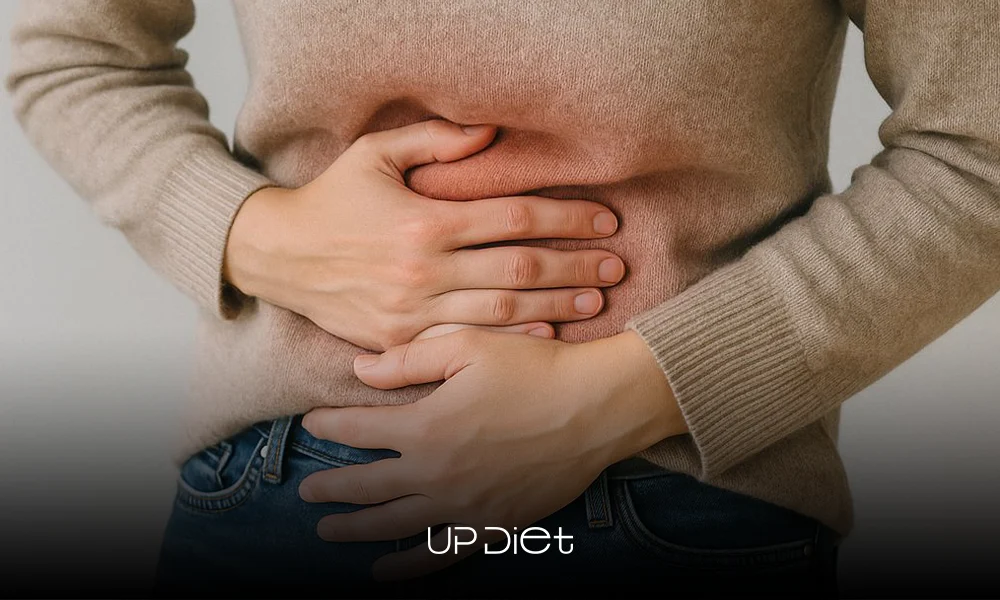
Symptoms of IBS
As a gastrointestinal (GI) disorder, IBS is characterized by a group of symptoms such as:
- Bloating and gas
- Abdominal pain/cramps, especially after meals or moving your bowels
- Diarrhea or constipation (or both)
- White-colored mucus in stool
- Bowel urgency
- Nausea
- Fatigue
- Brain fog
- Food-triggered flare-ups
IBS vs. Gluten Sensitivity: Key Differences
Non-celiac gluten sensitivity (NCGS) isn’t an autoimmune response and doesn’t damage the intestinal villi. This is also true for IBS; unlike celiac disease, which is in fact an autoimmune disorder and attacks the small intestine.
NCGS causes digestive and sometimes non-digestive symptoms after eating gluten, some of which can overlap with IBS (like stomach pain or diarrhea). However, NCGS is only diagnosed when symptoms improve after removing gluten, once celiac disease has been ruled out.
How IBS Is Diagnosed
Since there’s no test for IBS, it’s primarily diagnosed by the Rome IV criteria, the current standard used worldwide, which is a series of guidelines that help rule out or treat complex GI problems, using only symptoms.
According to these criteria, the patient must have recurrent abdominal pain (on average) at least a day per week in the last 3 months. This pain should be linked to bowel movement and be accompanied by changes in stool frequency, form, and/or appearance. Additionally, symptoms must have started at least 6 months before diagnosis and continued during the last 3 months.
Ruling out other conditions (celiac and IBD) is also a part of a positive IBS diagnosis. But according to a related PubMed article, the Rome Foundation’s approach allows IBS diagnosis based on symptom patterns, not just ruling out other disorders.
FODMAP Diet Foods: What to Eat and Avoid
The American Gastroenterological Association (AGA) identifies the low-FODMAP diet as the most evidence-based dietary intervention for IBS.
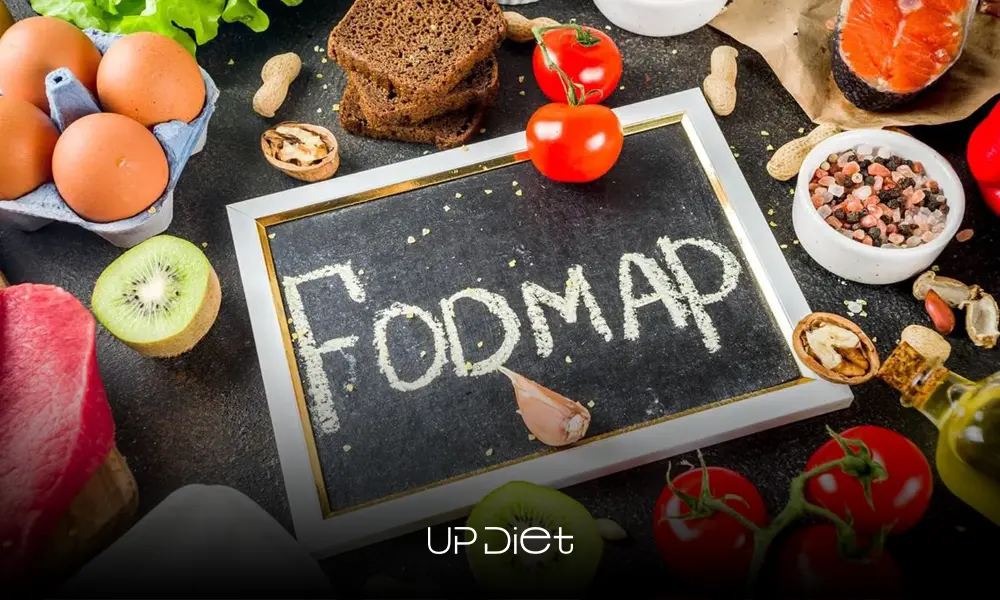
This diet is low in certain compounds (fermentable oligosaccharides, disaccharides, monosaccharides, polyols) and reduces certain kinds of carbohydrates that are hard to digest. Here’s a comparison of low- vs high-FODMAP foods –followed by practical notes– for an effective IBS diet:
- Always check food labels carefully. Many processed foods contain hidden high-FODMAP ingredients like onion or garlic powder, other dehydrated vegetables, soy flour, etc.
- Be careful about hidden FODMAPs, too. Sauces, dressings, soups, and store-bought snacks may contain high-FODMAP ingredients even if the main food seems safe.
- Avoid polyols in sugar alcohols like sorbitol, mannitol, maltitol, and xylitol that can trigger IBS symptoms.
- Don’t let cross-contamination compromise your IBS diet. When preparing meals, avoid using utensils, cutting boards, or surfaces that have come into contact with high-FODMAP foods.

Latest Treatment Insights for IBS
A low‑FODMAP diet remains the best evidence-based approach; it consistently shows significant symptom improvements and quality of life in multiple trials and reviews. It can also alter gut microbiota composition, which may further contribute to symptom relief.
Gut‑brain therapies (targeting the gut-brain axis) are a key part of IBS pathophysiology, too. They use cognitive behavioral therapy (CBT) and gut‑directed hypnotherapy to modify how the brain processes gut sensations. Gut‑brain therapies improve symptoms independently of diet and are effective in patients with anxiety.
Probiotics have also shown benefit for global IBS symptoms in multiple trials. Probiotics are especially effective when combined with a low‑FODMAP IBS diet. In some trials, peppermint oil could relieve symptoms as well, thanks to its antispasmodic properties.
Finally, there’s research on microbiome modulation that’s promising but still emerging. According to this PubMed article, fecal microbiota transplantation (FMT), rifaximin (a gut‑selective antibiotic ), and other approaches have variable/temporary effects and require more research.
Long-Term Risks if IBS Is Poorly Managed
Untreated IBS significantly impacts overall health and quality of life in the future. However, these risks are also functional, not structural:
- Chronic discomfort and symptom burden
- Nutrient imbalance
- Heightened stress, anxiety, and depression
- SIBO (small intestinal bacterial overgrowth) risk
- Sleep issues
- Mental health strain
- Ongoing healthcare use and costs
- Reduced work performance and social participation
Final Thoughts
The effectiveness of a low-FODMAP diet for IBS symptoms is very well established by studies and patient reports. Besides effectiveness, it’s also easy and accessible. If you need help to integrate the IBS diet into your long-term routine, use tools like UP-Diet for personalized low-FODMAP, IBS-friendly meal planning.




- In this post:
- What Causes IBS?
- Symptoms of IBS
- IBS vs. Gluten Sensitivity: Key Differences
- How IBS Is Diagnosed
- FODMAP Diet Foods: What to Eat and Avoid
- Latest Treatment Insights for IBS
- Long-Term Risks if IBS Is Poorly Managed
- Final Thoughts