
Get a plan made for your unique body and goals
Gut Health and Exercise: The Feel-Good Connection You Didn’t Know About



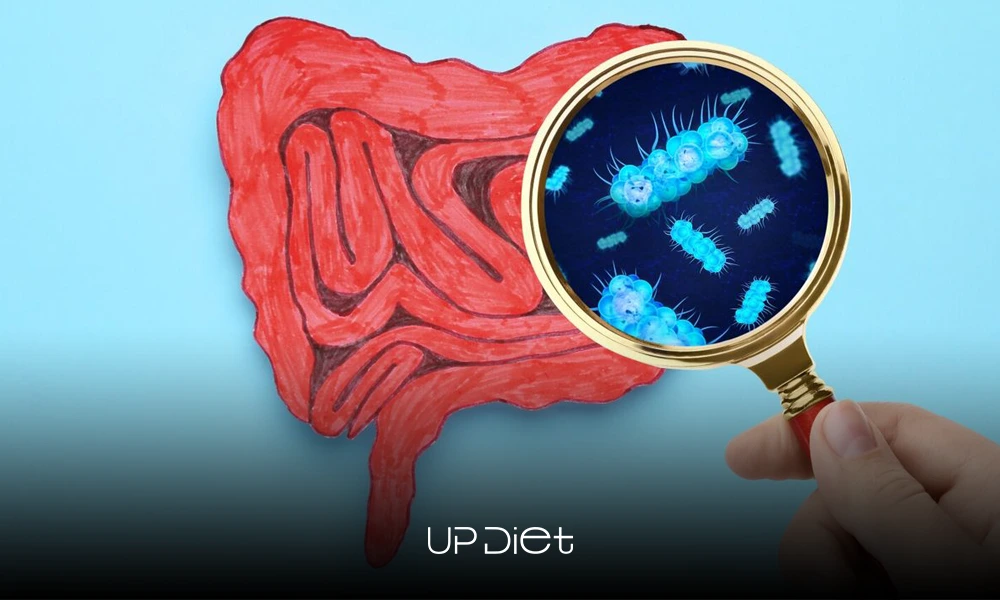
Feeling happier or less anxious after a workout is no coincidence. There's growing scientific evidence that links gut health and exercise, showing how movement can shape our microbiome and influence mental health.
The gut-brain axis plays a key role in this connection, explaining the ways exercise improves digestion, mood, and energy levels. Please keep reading to explore this powerful link along with practical strategies to support it.
How Exercise Improves Gut Health
According to a NIH study, regular aerobic exercise can lead to beneficial changes in the gut microbiota, even without dietary changes. Exercise improves gut health through specific biological mechanisms, including:
- Boosting microbial diversity: Exercise supports a broader range of beneficial bacteria in the gut. And with a more diverse and robust microbiome, you'll have better digestion, immunity, and nutrient absorption.
- Enhancing SCFA production: Movement enhances the fermentation of dietary fiber, leading to higher SCFAs (butyrate, acetate, propionate), which nourish gut cells, reduce inflammation, and regulate metabolism.
- Reducing inflammation: Regular activity also lowers pro-inflammatory markers and encourages anti-inflammatory pathways. This protects the gut barrier and overall health.
The Gut-Brain Axis: Why You Feel Better After a Workout
Does exercise help gut health? Yes, but that's not all. Thanks to the gut-brain axis, exercise is deeply intertwined with mental well-being, too. Here's how moving your body shapes your mood, stress response, and even digestion:
- Serotonin: Physical activity helps raise serotonin levels (a key neurotransmitter produced mainly in the gut), which lifts the mood, supports quality sleep, and encourages smooth digestion.
- Dopamine: Workouts also release dopamine, another neurotransmitter that fuels feelings of pleasure, motivation, and focus. Dopamine is commonly experienced as a "runner's high".
- Gut-brain feedback loop: Exercise stimulates beneficial bacteria and SCFA production, which communicate with the brain via the vagus nerve and hormonal pathways. A process that calms anxiety and raises overall mood effectively.
- Better digestion: Working out improves gut motility (because of the movement itself and the strengthening of gut muscles). The result is a virtuous cycle of well-being between gut and mind.
Best Exercise Types for Gut Health
- Brisk walking
- Cycling
- Swimming
- Yoga and gentle stretching
- Low-impact aerobics classes
- Dancing
- Moderate resistance training
Note: When it comes to gut health, consistency comes before intensity. Consider moderate, enjoyable activities and avoid extreme training (especially without correct recovery); they can disrupt gut balance and increase permeability.

Lifestyle and Nutrition Tips That Support Both Exercise and Gut Health
- Stay hydrated throughout the day. Water supports digestion and microbial balance.
- Eat prebiotic-rich foods (bananas, onions, garlic, oats, asparagus) to feed friendly bacteria.
- Incorporate probiotics and fermented foods (yogurt, kefir, kimchi, sauerkraut) to introduce new beneficial microbes.
- Prioritize a fiber-rich, plant-forward diet to encourage the production of short-chain fatty acids.
- Enjoy meals calmly and mindfully for optimal digestion.
- Manage stress with deep breathing, mindfulness, and adequate sleep.
- Avoid unnecessary antibiotics or overusing anti-inflammatory drugs. They wipe beneficial bacteria and disrupt microbiome health.
Does Exercise Help Gut Health? Final Thoughts
While the answer to "does exercise help gut health" is a resounding yes, the magic happens when regular movement, a balanced diet, and a mindful lifestyle are aligned. This is the ultimate approach to elevate gut health and overall wellness by balancing the microbiome and hormones.





- In this post:
- How Exercise Improves Gut Health
- The Gut-Brain Axis: Why You Feel Better After a Workout
- Best Exercise Types for Gut Health
- Lifestyle and Nutrition Tips That Support Both Exercise and Gut Health
- Does Exercise Help Gut Health? Final Thoughts