
Get a plan made for your unique body and goals
Restoring Gut Health After Antibiotics: What to Eat, What to Avoid, and When to Start


Antibiotics save lives, but they do have their own casualties: the gut microbiome. That's why gut health and antibiotics are essentially incompatible. Antibiotics fight bacterial infections but eliminate every species; the result is a disrupted gut ecosystem that struggles with digestive issues and inflammation.
In today's article, we'll explore the causes behind this drastic change, along with a detailed recovery guideline to safely restore microbiome balance.
How Antibiotics Affect Gut Health
Antibiotics are designed to kill or inhibit the growth of bacteria that cause infections. The problem is, they don't discriminate between harmful and beneficial bacteria in the gut. According to a PubMed study, such microbiome depletion occurs through several mechanisms:
- Loss of microbial diversity: Antibiotics reduce the diversity (and quantity) of gut microbiota by targeting a broad spectrum of bacteria. This makes the gut ecosystem vulnerable and disrupts essential microbial functions, such as digestion and nutrient absorption.
- Overgrowth of resistant species: When beneficial bacteria perish, antibiotic-resistant species can overgrow, leading to infections such as antibiotic-associated diarrhea or colitis. Sometimes, these bacteria persist in the gut even after antibiotic treatment, complicating recovery.
- Weakened immune response: Beneficial microbes play a crucial role in training the immune system, balancing inflammatory responses, and protecting against pathogens. When the gut microbiota is disrupted, the risk of infection increases.
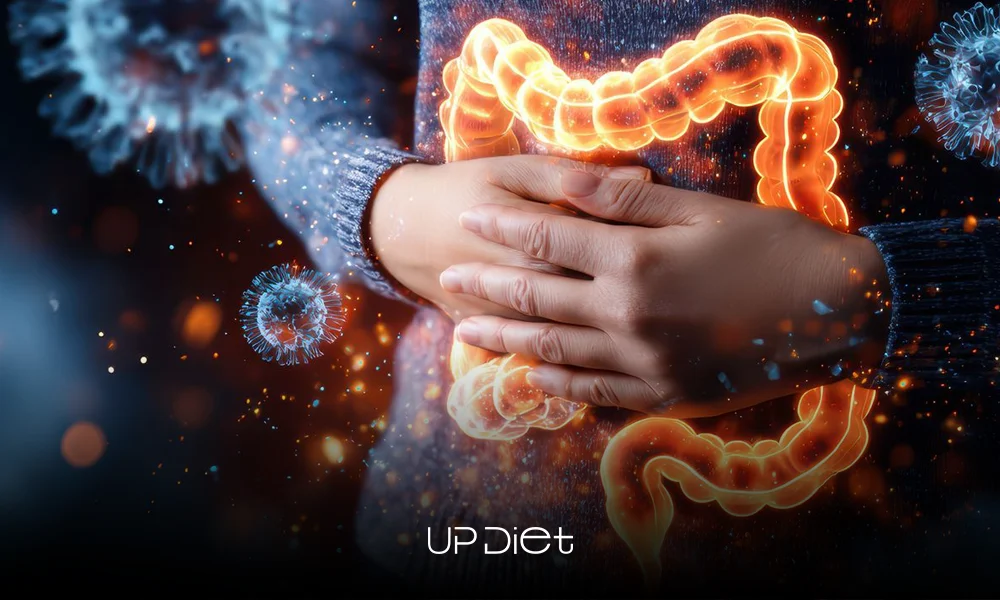
The Recovery Timeline: When and How to Rebuild Your Microbiome
The recovery timeline depends on the antibiotic type (broad-spectrum vs. narrow-spectrum), the treatment period, and individual factors such as diet and gut health before antibiotics.
In general, restoring gut health after antibiotics typically takes a few weeks to a few months. However, the microbiome can take up to a year to fully regain its pre-antibiotic state. The recovery timeline will look like this:
- In the first 3 days after treatment, the microbiome is at its most vulnerable, and it's all about regrowth from surviving microbes.
- During weeks 1-4, microbial populations begin to stabilize, and you can slowly introduce prebiotics and probiotics. (It's typically safe to reintroduce fermented foods about 2-3 days after antibiotic use. However, some research suggests waiting 1-2 weeks before having large amounts of probiotics.)
- During months 2-12, complete restoration will be in progress with diet and lifestyle improvements.
What to Eat to Restore Gut Health
To restore gut health after antibiotics, you need to focus on foods that encourage the growth of beneficial bacteria, mainly:
- Yogurt and kefir
- Sauerkraut and kimchi
- Garlic and onion
- Fiber-rich foods like oats, bananas, apples, leafy greens, etc.
Note! Start gradually and introduce these foods after the antibiotics have been cleared from your system; preferably when related digestive discomforts are gone, too.

What to Avoid During Gut Recovery
- Processed sugars: High intake of sugar (and sugar substitutes) promotes the growth of harmful bacteria and yeast, leading to an imbalance in gut flora.
- Ultra-processed snacks: They contain additives, artificial sweeteners, and preservatives that also disrupt microbiota balance.
- High-fat, fried foods: Your recovering microbiome will have a hard time digesting them. Plus, they promote the growth of harmful bacteria in the gut.
- Excessive caffeine: Drinking coffee, caffeinated sodas, etc., can excessively irritate the gastrointestinal system and disrupt the restoration of gut health after antibiotics.
- Alcohol: Alcohol can irritate the gut lining, impair the immune system, and increase intestinal permeability.
Balanced Nutrition for Long-Term Gut Health
Maintaining gut health requires a balanced diet and healthy lifestyle habits. A diverse, plant-rich diet provides a variety of fibers, antioxidants, and polyphenols for beneficial microbes; while staying active, reducing stress, and avoiding smoking or excessive alcohol keeps them stable.
You can also use personalized nutrition planning tools like UpDiet to guide your dietary choices during microbiome recovery and after that, for long-term balance.
Final Thoughts: Restoring Gut Health After Antibiotics for Long-Term Wellness
Antibiotics are vital for bacterial infections, but their impact on the microbiome can have lasting consequences. Always focus on gut health after antibiotics to repair your digestive system, improve energy, and strengthen immunity against other risks.





- In this post:
- How Antibiotics Affect Gut Health
- The Recovery Timeline: When and How to Rebuild Your Microbiome
- What to Eat to Restore Gut Health
- What to Avoid During Gut Recovery
- Balanced Nutrition for Long-Term Gut Health
- Final Thoughts: Restoring Gut Health After Antibiotics for Long-Term Wellness