
Get a plan made for your unique body and goals
Gut Health and Hormones: The Hidden Link Between Your Microbiome and Hormonal Balance


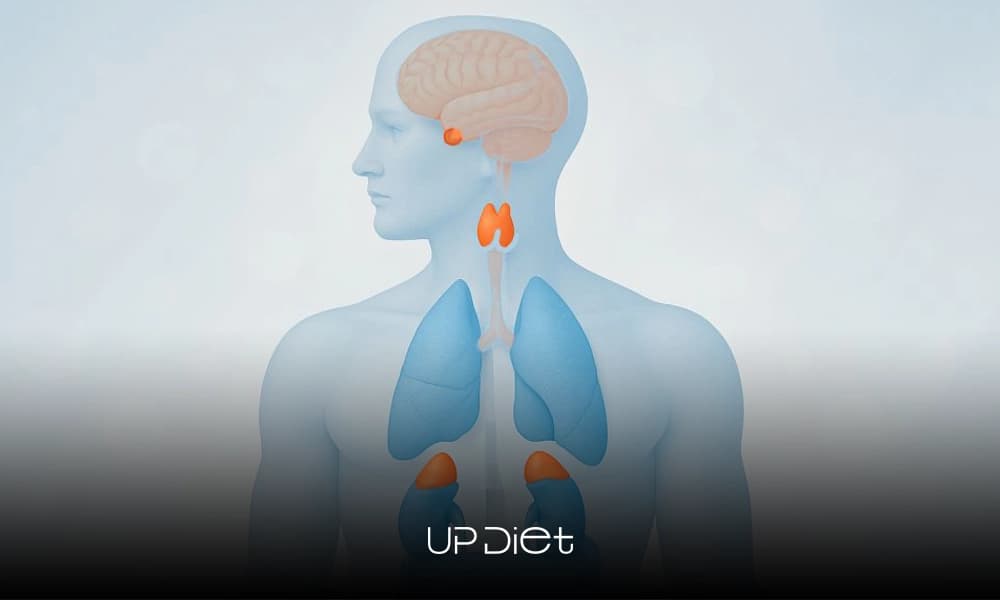
After the gut-brain and gut-skin axis, it's time to explore yet another fascinating link between gut bacteria and the body: the gut-hormone connection. Gut health and hormones are connected through chemical messengers and microbial metabolites that influence cortisol, estrogen, insulin, and more.
In the following parts, we'll take a closer look at how gut health affects hormones, signs of hormonal imbalance (due to poor gut health), and what you can eat/do to support both.
How Gut Health Affects Hormones
How does gut health affect hormones? The gut and its microbial community influence hormones through distinct, sometimes overlapping pathways:
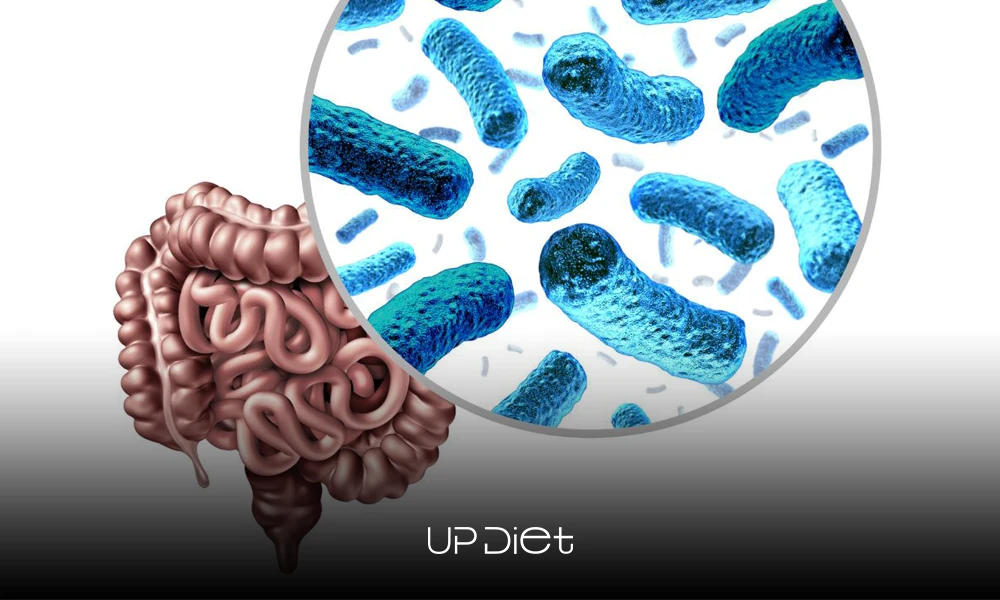
- The first one is a group of gut bacteria, the "estrobolome," that help process estrogen in the body. When they're balanced, the liver can efficiently clear out excess estrogen. But when they're disrupted (due to a poor diet, stress, etc.), they'll act as a trigger for hormonal disorders, as shown by a recent MDPI-published study.
- The second pathway is the gut-brain axis. This two-way neural network enables your microbiome to communicate directly with the brain. It influences how your body produces and responds to cortisol, the primary hormone responsible for your energy, alertness, and stress responses.
- Finally, gut microbes regulate blood sugar and insulin sensitivity by producing short-chain fatty acids (SCFAs), and their effect on inflammation. They also influence how your body metabolizes thyroid hormones into their active form.
Signs of Hormonal Imbalance Linked to Poor Gut Health
Does gut health affect hormones? Yes, and here are the most common symptoms of this issue:
- Bloating, gas, and irregular bowel habits
- Chronic fatigue or low energy
- Acne or oily skin flare-ups
- Mood swings, anxiety, and poor stress resilience
- Irregular menstrual cycles or heavier/lighter periods
- Sugar or carbohydrate cravings and weight gain
- Poor sleep or insomnia
Note: Although these symptoms can result from gut dysbiosis (and the hormonal fluctuations that follow), they can have other causes. When they cluster with GI symptoms, it's primarily due to poor gut-hormone health.
Foods and Habits That Support Both Gut and Hormonal Balance
- Eat a variety of fiber-rich plant foods (vegetables, fruits, legumes, whole grains, nuts, seeds) to feed beneficial microbes and increase SCFA production.
- Include fermented foods like yogurt, kefir, kimchi, sauerkraut, miso, and tempeh to introduce live microbes and help microbiome diversity. In case of specific hormone issues (e.g., menopausal symptoms, IBS), consult with your healthcare provider for targeted probiotics.
- Prioritize phytonutrients and cruciferous vegetables (broccoli, cauliflower, Brussels sprouts) that support liver phase-II detoxification and estrogen metabolism.
- Reduce your sugar and alcohol intake. They increase estrogen and testosterone levels and disrupt your body's natural hormone cycle.
- Manage stress with mindfulness, breathing, and moderate exercise to help regulate cortisol levels and support gut stability.
- Pay attention to your sleep timing and quality. Circadian disruption alters your microbiome's composition and hormone rhythms (cortisol, insulin, melatonin).
The Microbiome-Endocrine Connection: Why It Matters for Overall Health
Smooth digestion aside, a diverse microbiome produces beneficial metabolites that help stabilize hormone levels, preserve energy balance, and support mood and cognition.
These benefits of insulin, cortisol, and thyroid are definite, but gradual. With the right lifestyle and dietary pattern that consistently nourishes your gut, you'll have better metabolic health and a lower risk of developing hormone-related disorders.
Final Thoughts
Hormonal balance starts with the gut, the digestive organ that's also metabolic. Nurture your microbiome with the right foods and habits to support gut and hormonal health.
And if you're looking for a more personalized nutrition plan that supports unique gut and hormonal needs, try data-driven tools like UP-Diet.




- In this post:
- How Gut Health Affects Hormones
- Signs of Hormonal Imbalance Linked to Poor Gut Health
- Foods and Habits That Support Both Gut and Hormonal Balance
- The Microbiome-Endocrine Connection: Why It Matters for Overall Health
- Final Thoughts