
Get a plan made for your unique body and goals
The Hidden Impact of Modern Diets on Gut Health


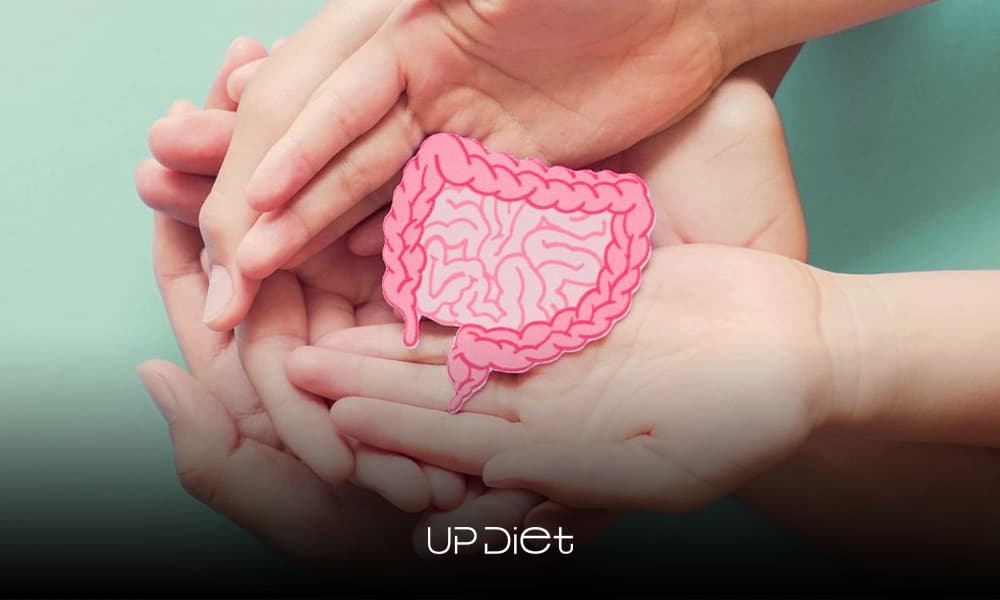
Ever wondered why digestive issues are so common lately? The answer lies in the link between modern diets and gut health: diets characterized by (ultra-)processed snacks, fast foods, low-fiber meals, and their devastating effect on the gut microbiome.
Let’s break down what’s really happening and how you can reverse the damage.
How Modern Diets Disrupt the Gut Microbiome
Modern diets, especially those high in ultra-processed foods (UPFs), emulsifiers, additives, and low-fiber meals, significantly disrupt the gut microbiome and digestion, as they lack the essential nutrients and fibers to maintain microbial diversity.
According to a recent NIH study, even the generally considered safe additives may increase the risk of metabolic syndrome and inflammatory diseases by altering the microbiota. Emulsifiers and preservatives in UPFs also change microbial composition by reducing beneficial bacteria.
This imbalance paves the way for pro-inflammatory bacteria and compromises the gut barrier. If left uncontrolled, the damage can lead to "leaky gut," in which unhealthy substances enter the bloodstream, systemic inflammation increases, and the risk of metabolic diseases increases.
Signs of an Unhealthy Gut Linked to Modern Eating Habits
Modern diets and gut health don’t mix well. Consuming high-sugar, low-fiber, and ultra-processed foods regularly triggers the microbiome and leads to signs such as:
- Bloating and gas
- Constipation or diarrhea
- Fatigue
- Skin issues (acne, eczema)
- Extreme food cravings, especially for sugar
- Mood fluctuations (anxiety, depression)
- Recurring digestive discomfort (gas, nausea, cramping)
- Unexplained weight changes
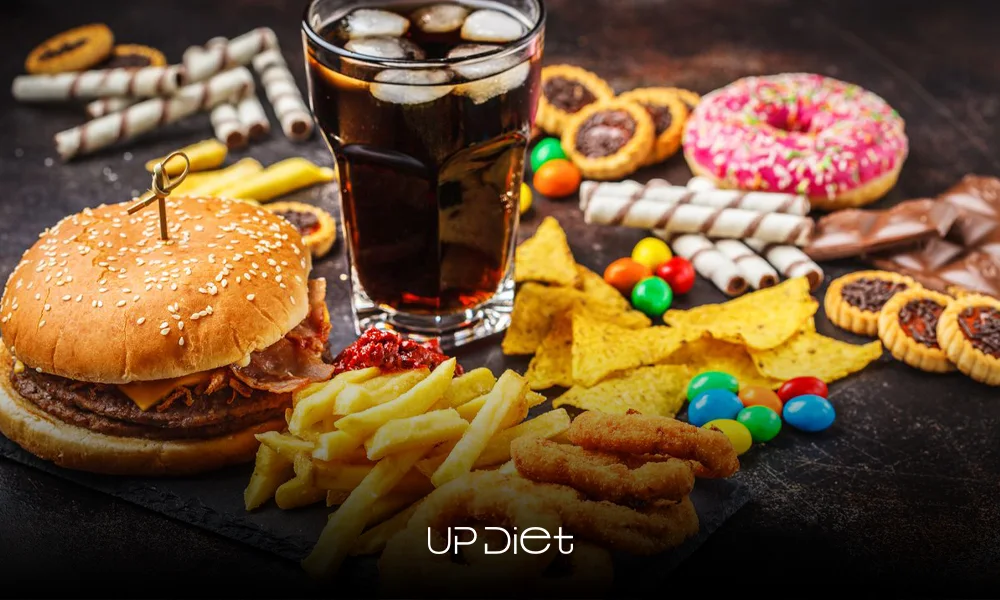
Foods and Habits That Harm Gut Health
Certain foods and eating patterns feed harmful bacteria and disturb microbial diversity. This imbalance, as mentioned, leads to issues such as bloating, constipation, and chronic inflammation. These are the main culprits you should avoid:
- High-sugar foods like sugary snacks and sodas
- Ultra-processed foods (packaged snacks, fast food, ready-to-eat meals, etc.)
- Sugar substitutes and artificial sweeteners, such as aspartame and sucralose
- Not getting enough dietary fiber from fruits, vegetables, whole grains, and other fiber-rich sources.
- Low food variety and reliance on a narrow range of food types
- Excessive saturated fats (found in red meats, butter, and fried foods)
- Ignoring food sensitivities
- Drinking too much alcohol and caffeine
Foods and Habits That Support Gut Health
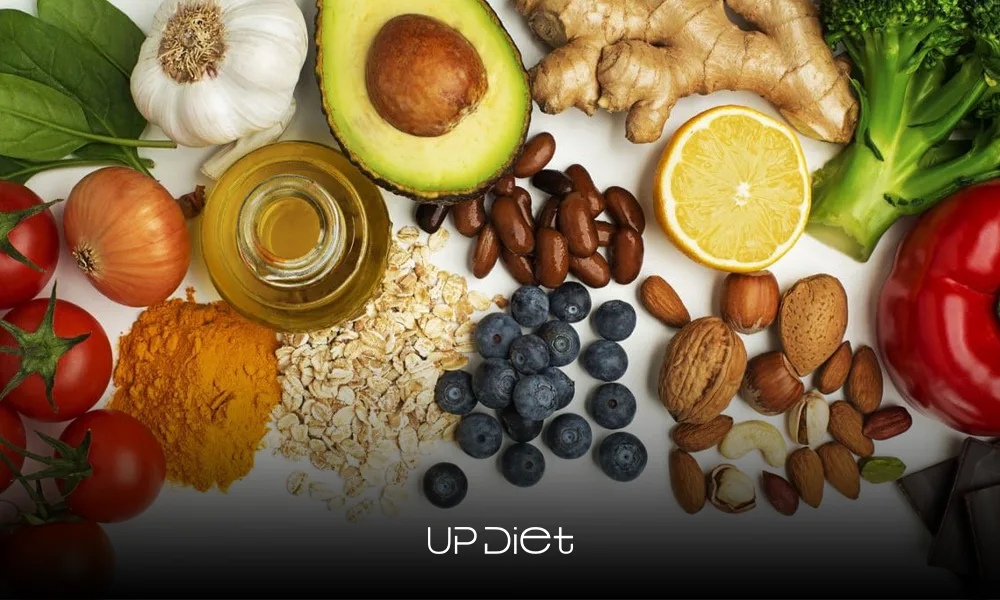
You can elevate modern diets and gut health by introducing key foods and habits into your routine, such as:
- Fiber-rich foods (fruits, vegetables, whole grains, legumes)
- Fermented products (yogurt, kefir, sauerkraut, kimchi, kombucha)
- Prebiotics like garlic, onions, bananas, etc., feed healthy gut bacteria.
- Limiting ultra-processed foods with refined fats and sugars
- Drinking enough water helps digestion and nutrient absorption
Why These Dietary Patterns Matter for Long-Term Health
Long-term exposure to modern dietary habits takes a toll on your health. These diets are related to systemic inflammation, which can affect metabolic functions and lead to conditions like obesity, type 2 diabetes, and cardiovascular disease.
An unhealthy gut microbiome also affects the gut-brain axis, influences mood, and increases susceptibility to anxiety or depression. Finally, a weakened gut barrier allows harmful substances to enter the bloodstream, further aggravating inflammation and metabolic imbalance.
Final Thoughts
Gut health relies on consistent dietary adjustments. Adherence to healthy foods and habits is important, but being consistent is also essential.
If you need a supportive tool for this long-term commitment, consider platforms like UP-Diet that create personalized nutrition plans to restore and maintain gut health.





- In this post:
- How Modern Diets Disrupt the Gut Microbiome
- Signs of an Unhealthy Gut Linked to Modern Eating Habits
- Foods and Habits That Harm Gut Health
- Foods and Habits That Support Gut Health
- Why These Dietary Patterns Matter for Long-Term Health
- Final Thoughts