
Get a plan made for your unique body and goals
Mediterranean Diet, Explained: Why This Eating Style Still Leads the Way


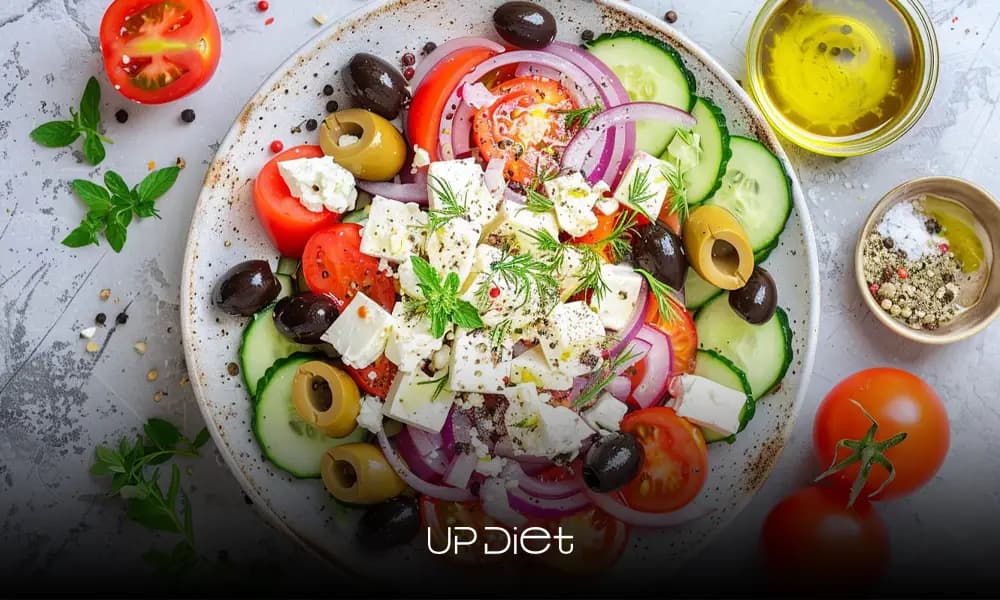
The Mediterranean diet is one of the world’s most evidence-supported eating patterns due to its ability to promote long-term health. Inspired by the traditional cuisines of Southern Europe and the Mediterranean region, a balanced Mediterranean diet plan prioritizes plant-forward meals, healthy fats, and simple cooking methods.
Let’s explore the core elements of this diet, the science behind its health benefits, which foods to prioritize or limit, and how to get started, along with clearing up common misconceptions.
What Is the Mediterranean Diet?
The Mediterranean diet is a nutritional pattern based on the traditional eating habits of people living in countries bordering the Mediterranean Sea.
Its core principles include high intake of vegetables and fruits, whole grains and legumes, nuts and seeds, olive oil (as the primary fat), moderate seafood and fish, low red meat and dairy, and using herbs and spices for flavor.
As a holistic approach, it also includes lifestyle elements such as cooking at home with fresh ingredients, sharing meals with friends and families (promoting mindful eating), physical activity, and how to moderate wine consumption.
Key Components of a Mediterranean Diet Plan
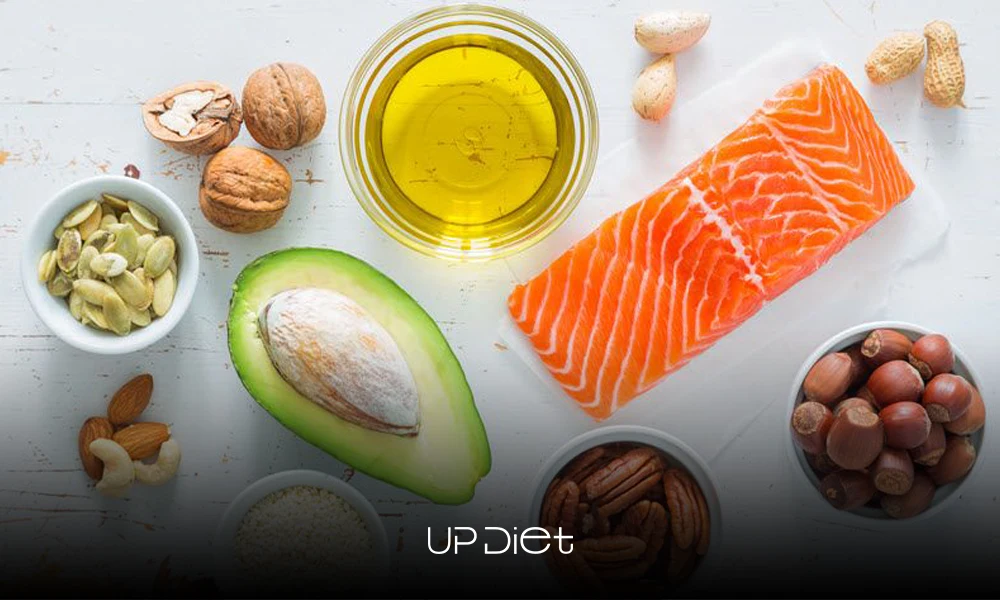
- Healthy fats: Cold-pressed extra‑virgin olive oil is the main fat for cooking, dressings, and flavoring. Avocados, olives, nuts, and seeds also provide unsaturated fats, fiber, and micronutrients.
- Lean proteins: The Mediterranean diet plan uses a lot of seafood, especially fatty fish like salmon, sardines, and mackerel, packed with omega‑3s. Plant-based proteins (legumes) are also common, but chicken and turkey are used in moderation.
- Complex carbohydrates: Whole grains like brown rice, whole‑wheat pasta, oats, barley, bulgur, farro, and quinoa are widely favored over refined grains, as they’re perfect for providing fiber, steady energy, and micronutrients.
- Herbs and spices: Mediterranean meals don’t rely on excess salt. They mainly use basil, oregano, rosemary, thyme, garlic, parsley, and cumin to add flavor.
- Fermented foods: Apart from wine, cheese (pecorino, halloumi, brie, chevre, feta, ricotta, etc.), cider (fermented apple juice), mead (fermented honey), and ginger beer are other fermented products popular in this diet.

Science-Backed Health Benefits
According to a medically reviewed article on NIH, following the traditional Mediterranean Diet positively affects your health and aging process:
- Heart health: Due to lipid‑lowering, antioxidant, and antiplatelet effects, higher adherence to this diet significantly lowers cardiovascular events and mortality. In one of the randomized trials, researchers observed about 70% reduction in all‑cause mortality and 73% lower coronary heart disease mortality vs the control group after 27 months.
- Reduced inflammation and oxidative stress: This diet –especially the olive oil, fish, and nuts– provides high levels of antioxidants (like vitamin E, carotenoids, flavonoids) and anti‑inflammatory nutrients that counteract oxidative damage, one of the main causes of chronic disease.
- Brain protection and cognitive health: The antioxidant and anti‑inflammatory profile of this diet may indirectly protect the brain. Other recent studies also show that Mediterranean patterns are linked with reduced age‑related cognitive decline, better cerebral blood flow, and lower neuroinflammation.
- Weight stability: Switching from a Western to a Mediterranean diet plan (even without calorie restriction) can help with weight loss because of the high fiber and low energy density.
- Metabolic health: The article also shows improvements in insulin sensitivity, better hormonal modulation, and reduced risk of type 2 diabetes.
- Longevity: Mediterranean Diets are also associated with lower all‑cause mortality (cardiac and cancer) long-term. Researchers hypothesized that this is due to reduced risk of chronic disease, lowered inflammation, improved immune function, healthier metabolism, and hormonal balance.
Mediterranean Diet vs. Typical Western Eating
Fat Quality:
- The Mediterranean diet prioritizes healthy fats from plants and fish.
- The Western diet often relies on saturated and trans fats from processed meats and refined oils.
Fiber Intake:
- The Mediterranean diet provides a rich source of fiber from diverse, whole, plant-based foods.
- Western diets, on the other hand, are typically low in fiber because of refined grains, processed foods, and less fruit/vegetables.
Processed Food Consumption:
- The Mediterranean diet plan focuses on fresh, seasonal, minimally processed ingredients.
- The Western diet is characterized by (ultra-)processed, convenience foods loaded with additives, preservatives, and unhealthy fats.
Sugar Load:
- The Mediterranean diet has a low added sugar intake and usually natural sweetness from fruits like berries and citrus.
- Its Western counterpart is almost overloaded with added sugars in sodas, processed snacks, sweets, and fast food.
Portion Size:
- The Mediterranean diet has moderate portions, paired with social eating for a slower, more mindful eating experience.
- The western diet typically has larger portions, especially in restaurants and fast foods, which may even encourage overeating.
Nutrient Density
- The Mediterranean way of eating is rich in minerals, vitamins, and polyphenols
- The Western diet usually lacks nutrient density and promotes empty calories.
What to Eat: Mediterranean Food List
How to Start a Mediterranean Diet Plan
First, you need to think of the Mediterranean diet plan as a lifestyle, not a short-term diet. Then, start with these simple steps:
- Use olive oil instead of butter or margarine.
- Eat lots of fruits and vegetables every day. Add 1-2 servings of vegetables per meal, snack on fresh fruits or raw vegetables, etc.
- Replace refined grains with whole grains like whole-wheat bread and pasta, brown rice, farro, barley, or quinoa.
- Replace red meat with fish, especially fatty fish with omega-3s like salmon, sardines, and trout. Aim for fish 2-3 times per week.
- Replace excess salt with fresh herbs and spices like garlic, oregano, rosemary, basil, etc., to elevate the taste.
- Focus on home-cooked meals with local, seasonal produce.

Common Misconceptions
- “Mediterranean diet is expensive”: This diet is built around legumes, grains, vegetables, fish (which don’t have to be premium), and home cooking. It also limits red meat, which can lower grocery costs over time.
- “It’s only Italian/Greek food”: The Mediterranean Diet is not a single cuisine and reflects eating patterns of multiple regions like Spain, southern France, North Africa, the Middle East, and parts of the Balkans. It’s very flexible and not limited to well-known recipes.
- “It’s just a weight-loss diet”: Major studies show that the Mediterranean Diet is primarily a disease-prevention and longevity-focused eating pattern, not a calorie-restricted weight-loss plan.
- “You have to eat a lot of pasta and bread”: While whole grains are encouraged, their portions are moderate and are paired with vegetables, legumes, and healthy fats.
- “It’s too complicated to follow”: The Mediterranean diet plan is one of the easiest and most sustainable eating patterns to maintain long-term. As mentioned, it’s as easy as making a few smart swaps (butter to olive oil, red meat to fish, sugary sweets to fruits).
Final Thoughts
The Mediterranean diet remains the number one diet in the world year after year, as it’s flexible, evidence-based, and supports overall health without strict rules. You can always enhance its benefits by personalized planning with tools like UP-Diet, too.





- In this post:
- What Is the Mediterranean Diet?
- Key Components of a Mediterranean Diet Plan
- Science-Backed Health Benefits
- Mediterranean Diet vs. Typical Western Eating
- What to Eat: Mediterranean Food List
- How to Start a Mediterranean Diet Plan
- Common Misconceptions
- Final Thoughts