
Get a plan made for your unique body and goals
DASH Diet Meal Plans for Beginners: What to Eat to Protect Your Heart


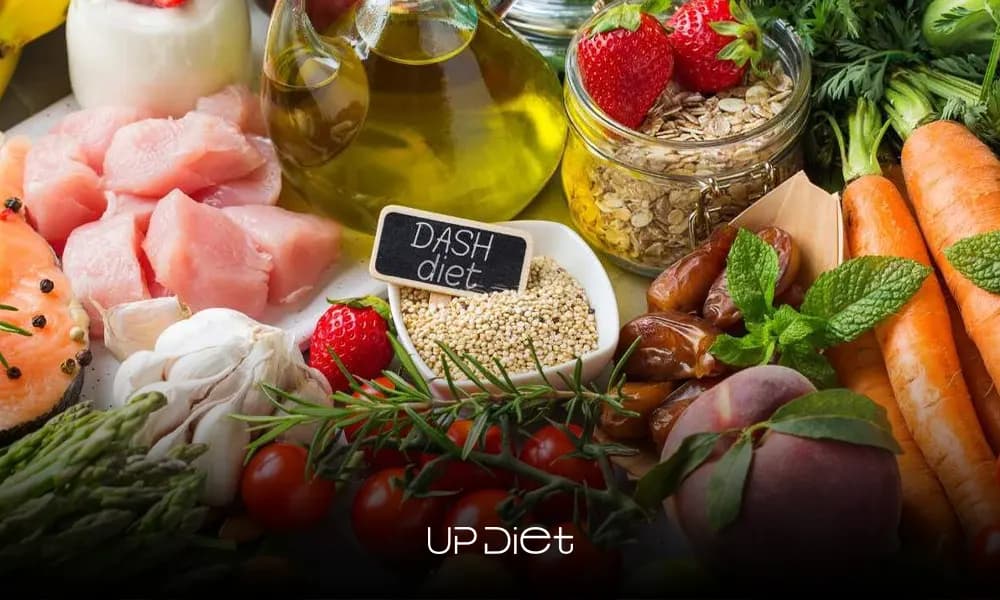
The DASH diet (Dietary Approaches to Stop Hypertension) is a structured, heart-healthy eating plan focusing on vegetables, fruits, whole grains, and low-sodium foods.
Don’t skip this guide if you want to understand the science behind DASH, its food choices, and how to introduce this diet into everyday life without overwhelm.
What Is the DASH Diet?
The DASH diet is specifically developed to help prevent and lower high blood pressure (BP) and improve heart health through reducing sodium, potassium-rich foods, whole foods, and supporting healthy BP.
This diet places a strong emphasis on lowering dietary sodium (salt) because high sodium intake contributes to water retention and BP. Less salt equals less pressure in the arteries and strain on the heart.
Eating natural sources of potassium is another core principle. This key mineral balances the effects of sodium in the body; it helps the kidneys flush excess sodium and relax blood vessel walls.
It also encourages whole, nutrient-rich foods. Instead of focusing on single nutrients, this diet recommends: vegetables and fruits for fiber and micronutrients, whole grains for sustained energy and fiber, lean proteins for protein with less saturated fat, and so on.
Finally, the DASH diet supports healthy BP through nutritional mechanisms like lowering sodium, increasing magnesium and calcium (in addition to potassium), as well as fiber and other dense nutrients to improve heart health and lower LDL (bad) cholesterol.
Sodium Levels in the DASH Diet
As a high blood pressure diet, there are two main sodium versions, both evidence-based and supported by major health authorities: the “Standard DASH” and the “Low-Sodium DASH”.
The standard DASH allows up to 2,300 mg/day, which is roughly 1 teaspoon of table salt. This is the baseline DASH sodium target and aligns with the 2020-2025 Dietary Guidelines for Americans. (Typical American sodium intake is about 3,300 mg on average.)
This version is ideal for people with high normal BP or prehypertension, those trying to prevent hypertension, and most adults without severe cardiovascular conditions. It’s also an excellent starting point for people who find very low-sodium goals (like 1,500 mg) hard to achieve.
The second version, low-sodium DASH, limits the intake to 1,500 mg/day. This means cutting sodium roughly in half compared with the average U.S. intake, which is perfect for aggressive targets and greater BP reductions than the first version.
Those who benefit from low-sodium DASH the most include people with hypertension and/or cardiovascular disease risk, older adults (51 years and above), diabetes or chronic kidney patients, and those who try to control BP with diet alone.
DASH Diet Food Guide
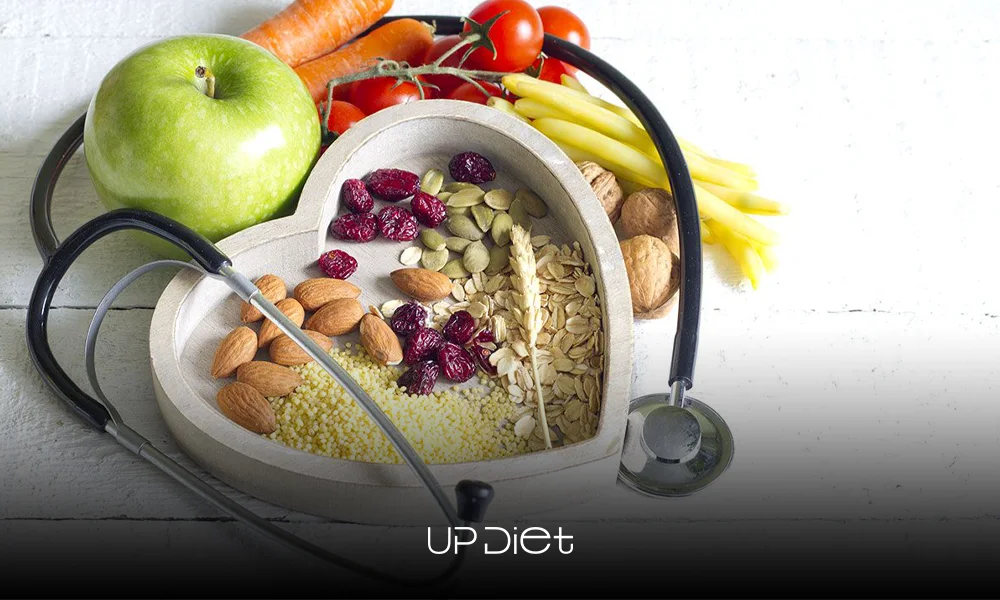
Common DASH diet meal plans include plenty of vegetables, fruits, whole grains, lean proteins, nuts, seeds, and low-fat dairy.
Here are the recommended foods and suggested servings based on a 2,000-calorie DASH pattern. Note that serving amounts change with total daily calorie needs, but the pattern stays the same.
The DASH diet has no harsh restrictions. Instead, it uses targeted limits (especially high-sodium items) in favor of nutrient-rich whole options. Here’s a list of foods to limit or avoid:
Benefits of the DASH Diet
DASH is mostly known as a high blood pressure diet. According to various research, it reduces both systolic and diastolic BP as some medications do (often within weeks), regardless of having hypertension, age, and background.
Based on other studies, including a PubMed meta-analysis, DASH offers other research-backed benefits as well, for instance:
- Improving cholesterol levels: This eating pattern can lower LDL cholesterol and total cholesterol.
- Reducing the risk of heart disease: It helps lower overall cardiovascular risk by managing BP and cholesterol (lipids).
- Enhancing metabolic health: Research in people with type 2 diabetes shows that DASH helps keep blood glucose within recommended ranges and lowers average blood sugar levels compared with typical diets. It’s also been linked to improvements in body weight, waist circumference, and key markers of metabolic syndrome.
- Other benefits: While more research is required, emerging evidence suggests additional benefits for inflammation and metabolic syndrome components.
3-Day DASH Diet Meal Plans
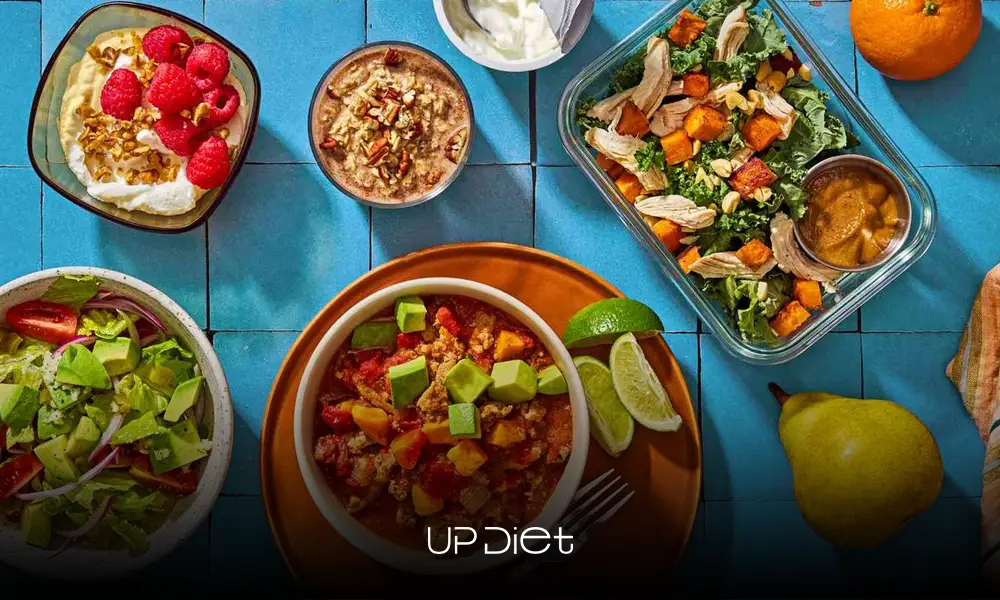
DASH diet meal plans need no special foods or complicated recipes. Let’s see how simple it is to turn DASH principles into satisfying low-sodium plates using accessible ingredients and practical portion sizes.
Note! The structure and food choices of these 3-day meal plans align with NIH/NHLBI DASH guidance (about 2,000 kcal).
Day 1
- Breakfast: Oatmeal (½ cup dry oats, cooked), 1 cup low-fat milk, ½ cup fresh berries, 1 tbsp chopped walnuts
- Morning snack: 1 medium apple
- Lunch: Grilled chicken breast (3 oz, unsalted), quinoa (½ cup cooked), steamed broccoli (1 cup), olive oil and lemon (1 tsp)
- Evening snack: ¾-1 cup low-fat plain yogurt
- Dinner: Baked salmon (3-4 oz), brown rice (½ cup cooked), mixed green salad (2 cups) with olive oil and vinegar
Day 2
- Breakfast: Whole-grain toast (2 slices), natural peanut butter (2 tbsp, no added salt), 1 medium banana
- Morning snack: Unsalted almonds (¼ cup)
- Lunch: Lentil soup (1 cup, low-sodium or homemade), whole-grain roll (small), side salad (1-2 cups vegetables)
- Evening snack: Raw carrots and cucumber sticks (1 cup total)
- Dinner: Roasted turkey breast (3 oz, unprocessed), sweet potato (medium, baked), steamed green beans (1 cup)
Day 3
- Breakfast: Low-fat Greek yogurt (1 cup, plain), fresh strawberries (½-1 cup), whole-grain cereal (½ cup, low-sodium)
- Morning snack: 1 medium orange
- Lunch: Chickpeas (½ cup cooked, no added salt), mixed vegetables (1-1½ cups), brown rice (½ cup cooked), olive oil and herbs (1 tsp)
- Evening snack: Unsalted popcorn (3 cups air-popped)
- Dinner: Grilled white fish (3-4 oz), whole-wheat pasta (½ cup cooked), low-sodium tomato sauce (½ cup), side salad (1-2 cups vegetables)
How to Start the DASH Diet
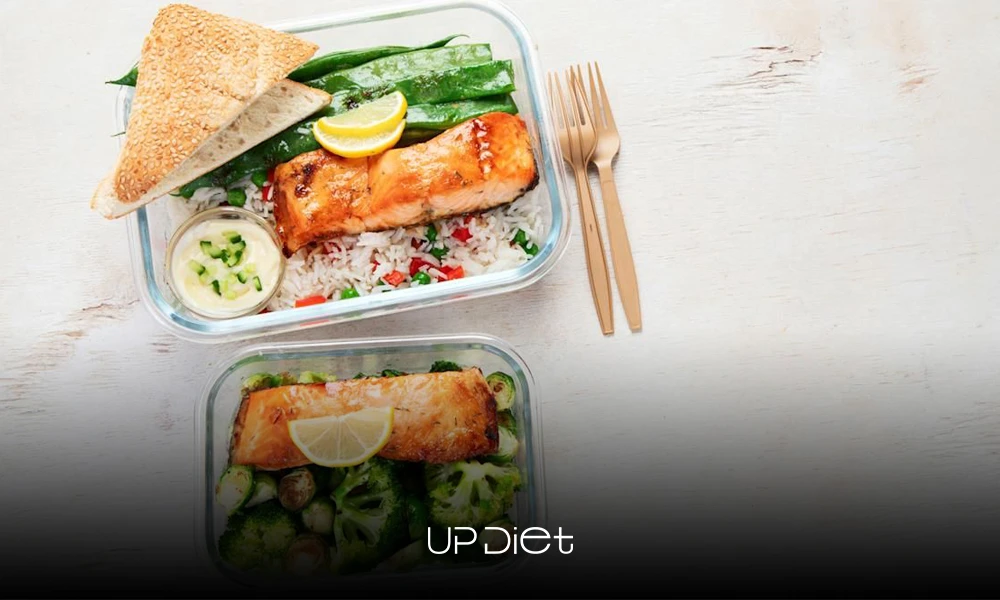
DASH works best when changes are gradual and sustainable. Here are practical steps to ease into the diet without changing everything at once:
- Reduce sodium gradually. Instead of cutting salt overnight, do it step by step. This helps your taste buds adjust and makes the diet easier to maintain. Start by avoiding the saltiest foods like processed meats, packaged snacks, and restaurant meals.
- Choose fresh foods over processed foods. Most dietary sodium comes from processed and packaged foods. So, prioritize fresh vegetables, fruits, plain grains, fresh meats, fish, eggs, and unsalted nuts.
- Eat more fruits and vegetables. Aim to add at least one fruit or vegetable to every meal. They’re rich in potassium, magnesium, and fiber, all key nutrients in high blood pressure diets.
- Use herbs, spices, and acids instead of salt. Season foods with garlic, onions, herbs, spices, lemon juice, or vinegar. They help you use less salt while keeping meals flavorful.
- Read nutrition labels carefully. Check the sodium per serving, not just calories. Choose products labeled “low/reduced sodium” or “no salt added.” Compare similar items to pick the healthier option.
- Plan meals around simple DASH patterns. Fill half of your plate with vegetables, one-quarter with whole grains, and one-quarter with lean protein. Add low-fat dairy if desired. It’s also a good idea to plan a few basic meals you can repeat.
- Don’t aim for perfection. Occasional higher-sodium meals won’t undo your progress. The goal is a consistent overall pattern, not strict rules.
Who Should Be Careful?
The DASH diet is considered safe and beneficial for most adults. However, since it emphasizes potassium-rich foods and may reduce sodium significantly (leading to changes in electrolytes, fluid balance, or BP), some people need extra caution or medical supervision, including:
- People with chronic kidney disease: DASH is typically high in potassium, phosphorus, and sometimes protein; nutrients that may need to be restricted or managed in moderate to advanced kidney disease. Studies note that high potassium intake can increase the risk of hyperkalemia in people with impaired kidney function.
- Those on diuretics or BP medications: While DASH supports both 2,300 mg and 1,500 mg sodium versions, not everyone benefits equally from low sodium intakes. Some people, including older adults, those with endocrine conditions, or those experiencing dizziness or low BP, often need personalized sodium levels.
- People with complex medical conditions or special dietary needs: Individuals with multiple chronic conditions (for example, kidney disease plus diabetes), eating disorders, or specific deficiencies need adjustments.
Make sure to consult a doctor or registered dietitian if you have kidney disease or a history of electrolyte imbalance, take the mentioned medications, have a specific prescription on sodium/potassium limit, or experience dizziness, weakness, and heart rhythm changes after changing your diet.
Final Thoughts
The DASH diet is both clinically proven and practical. By focusing on whole foods and manageable sodium limits, it offers a realistic, simple way to protect the heart without turning healthy eating into a short-term project.


- In this post:
- What Is the DASH Diet?
- Sodium Levels in the DASH Diet
- DASH Diet Food Guide
- Benefits of the DASH Diet
- 3-Day DASH Diet Meal Plans
- How to Start the DASH Diet
- Who Should Be Careful?
- Final Thoughts