
Get a plan made for your unique body and goals
The Ketogenic Diet Handbook: Foods, Benefits, and Common Mistakes


The ketogenic diet (keto diet) was originally created to treat epilepsy symptoms in children. But now, it’s known as a very low-carb, high-fat diet that teaches the body to burn stored fat for energy. This shift leads to ketone production, which explains why the ketogenic diet is widely used for weight loss, steadier energy, and metabolic health.
This guide walks you through the science behind keto, benefits, food choices, safety tips, and practical steps; everything you need to start without confusion and/or misinformation.
What Is the Ketogenic Diet?
The keto diet is a high‑fat, very low‑carbohydrate, and moderate‑protein eating approach. Its goal is to shift the body’s metabolism from using glucose (from carbs) to burning fat and producing ketones for energy. The main principles of the keto diet are carb restriction, fat adaptation, ketone production or ketosis, and metabolic shift to burning fat.
When you restrict carb intake to 20-50 grams (far lower than a standard diet), blood glucose and insulin levels go down, signaling the body to find another fuel source. When carbs are limited, the body consumes its stored glycogen (the stored form of glucose).
When there’s no glucose to burn, the liver begins breaking down fatty acids into ketone bodies. They’re molecules that circulate in the blood and serve as an alternative fuel for many tissues, including the brain, which can’t use fatty acids directly for energy.
Types of Ketogenic Diets
The original keto diet was created in 1923, but now, it has multiple versions with different ratios of fat, protein, carbs, and target groups. Some of the well-known types of this diet include:
- Standard Keto (SKD): The classic version with 70-80% fat, 15-25% protein, and 5-10% carbs. It strictly limits carbohydrates (often less than 50 grams per day) and emphasizes high fat and moderate protein. SKD reliably induces and sustains nutritional ketosis in most people; that’s why it’s generally recommended for beginners, weight loss, and general metabolic health.
- Targeted Keto (TKD): It’s basically a SKD designed for athletes and active people. In this version, you can consume a small portion of fast‑acting carbohydrates (5-30 g) shortly before or after intense workouts. TKD aims to support exercise performance without disrupting ketosis.
- Cyclical Keto (CKD): CKD cycles between periods of strict ketosis and carb‑loading phases. A common pattern is 5-6 days of keto followed by 1-2 days of higher carb intake to replenish muscle glycogen without eliminating the benefits of ketosis. This keto diet is best for bodybuilders, strength athletes, and anyone who wants periodic higher‑carb days.
- High‑Protein Keto (HPKD): With about 60% fat, 30-35% protein, and 5% carbs, high‑protein keto is best for muscle maintenance or satiety. HPKD is similar to SKD with more protein to support muscle repair and fullness while keeping carbs low enough for ketosis.
- Medium‑Chain Triglyceride (MCT) Keto: This version uses medium‑chain triglycerides (MCT oil) to increase ketone production. It also allows slightly more carbs and protein without ketosis being disrupted, because MCTs are highly ketogenic.
- Low-Glycemic-Index Treatment (LGIT): This approach was created for epilepsy and clinical applications. It focuses on low‑glycemic carbs instead of strictly low total carbs, which results in more stable blood glucose and moderate ketosis.

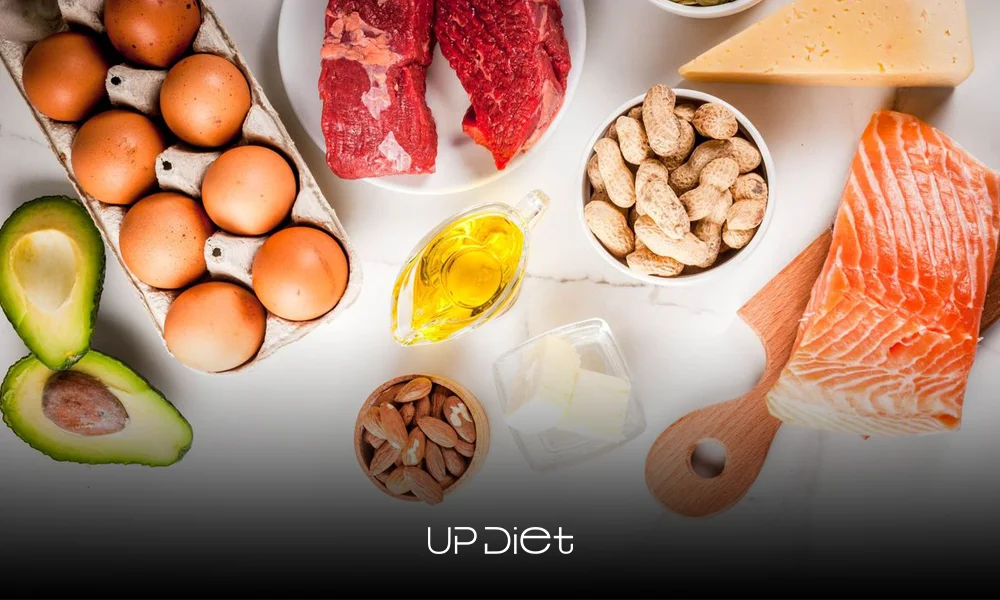
Keto Diet Food List
The keto diet isn’t summarized in cutting carbs. You need to choose nutrient‑dense, low‑carb foods while avoiding high‑carb items that can end ketosis. Here’s a list of what’s best to eat and what you should avoid:
Benefits of the Ketogenic Diet
We may know keto as a simple low-carb diet. However, clinical studies show that it’s in fact a metabolic strategy with potential benefits for weight loss, blood sugar control, mental clarity, and inflammation:
- Weight loss: Keto diets reduce body weight, waist size, and BMI in overweight and diabetic adults. There are two main reasons for this. One, carb restriction lowers insulin and speeds up fat burning. Two, ketones and higher protein/fat intake reduce appetite and overall calorie intake.
- Improved insulin sensitivity: Keto improves glucose regulation and insulin sensitivity, especially in people with type 2 diabetes. With fewer carbs, blood sugar spikes are less intense, and there will be less demand for insulin.
- Reduced appetite: A lot of keto diet participants report less hunger and more satiety, even without deliberate calorie counting. This may be because of ketones suppressing hunger hormones, or, as mentioned, staying full after high-fat/protein meals.
- Better lipid markers: The keto diet can help lower triglycerides, increase HDL (good) cholesterol, and even reduce LDL and total cholesterol. These lipid changes positively affect cardiovascular risk factors, although long‑term results need further research.
- Anti-inflammatory effects: According to clinical MS studies, ketones (like BHB) may reduce inflammatory markers by modulating inflammation pathways and oxidative stress.
- Mental clarity: There’s limited but promising evidence for neurological benefits as well. This evidence links ketosis with improved cognitive energy metabolism, reduced brain inflammation, and mitochondrial support.
What Happens in the Body During Ketosis?
Ketosis is a metabolic state. When carbohydrate intake drops and glucose can no longer be the main fuel, the body will shift to burning fat and ketone bodies. This process involves coordinated changes in your body, including:
- Lowered glucose: When dietary carbs are restricted, blood glucose levels drop, and liver glycogen stores are used within 24-48 hours. Now, tissues must shift to alternative fuels, which is the initial trigger for ketosis.
- Reduced insulin: Lower blood glucose leads to less insulin release. Insulin typically suppresses fat breakdown. So, when it drops, fat cells increase lipolysis (release of fatty acids), and the fatty acids are delivered to the liver for energy production.
- Fat oxidation: Limited glucose also pushes tissues like muscle, liver, and heart to increase fat oxidation. Meaning that they burn fatty acids directly for energy. As a result, the body uses less glucose and becomes better at burning fat inside its cells (mitochondrial fat metabolism).
- Increased ketones: The liver turns excess fatty acids into ketone bodies (mainly β‑hydroxybutyrate or BHB, acetoacetate, and acetone) through a process called ketogenesis. They’re a stable alternative fuel for different parts of the body.
- Hormonal stability: Ketosis helps create a more stable hormonal profile by lowering insulin fluctuations, managing glucose spikes, and providing consistent energy. This is, in fact, the very reason that the keto diet has been studied for metabolic disorders related to insulin resistance.
- Metabolic adaptation: When ketosis continues, tissues (like the brain) become more efficient at using ketones and rely less on glucose. Muscles also save ketones for the brain by increasing direct fat use.

How to Start a Keto Diet Safely
A “bad” keto diet can cause nutrient deficiencies, constipation, and other side effects. To avoid those, use this step-by-step guide on how to start worry-free:
- Reduce your daily carb intake to 20-50 grams. Note that this is net carb, total carbs minus fiber. If you’re a beginner, reduce carbs gradually over a week.
- Fats are your primary source of energy in this diet. Choose healthy options (fatty fish, nuts, seeds, avocados, coconut oil, olive oil, etc.) and avoid processed fats.
- The body excretes more water when carbs are restricted. Drink at least 2-3 liters of water throughout the day, more if you’re active or live in hot climates.
- Lower insulin causes the kidneys to release more sodium, potassium, and magnesium. You need to replace them with electrolytes, supplements, or smart food choices to prevent keto flu symptoms.
- Take time to plan and prepare meals. Packaged foods or condiments (even the keto-branded products) can have hidden carbs.
- You can also check whether you’re in ketosis with urine test strips. Blood ketone meters may not be as accessible or low-cost, but they’re very accurate.
Common Mistakes People Make on Keto
A lot of people struggle with keto, not because it doesn’t work, but because of easy-to-prevent mistakes that interfere with ketosis, comfort, or long-term adherence.
One of them is eating too much protein, while keto isn’t even a high-protein diet. Excess protein can increase gluconeogenesis (when amino acids turn into glucose), which may reduce ketosis for some people.
Another error is not replacing electrolytes, which leads to headaches, fatigue, cramps, and dizziness (AKA keto flu). Adding salt to food or broth, including potassium-rich keto foods (avocado, leafy greens), and ensuring adequate magnesium intake (nuts and seeds) solves the problem.
Relying on processed keto bars and snacks is common, too. They often have hidden sugar/starch, sugar alcohol (that spikes glucose in some people), and highly processed fats. The keto diet needs to be based on whole foods.
Avoiding vegetables out of fear of carbs is wrong, too. Fiber doesn’t prevent ketosis when carbs are kept low overall. Fiber intake (from leafy greens, broccoli, cauliflower, etc.) is crucial for satiety, regular bowel movement, and a diverse gut microbiota.
Cutting carbs too fast is a pitfall, too. It makes keto flu symptoms worse by increasing fluid and mineral loss. To prevent that, mind hydration/electrolytes from day one and reduce carbs over several days.
Risks and Who Should Be Careful
The keto diet changes how the body handles blood sugar, fluids, and nutrients, which means some individuals should be extra cautious about it:
- People with diabetes on medication (especially insulin or sulfonylureas)
- Pregnant or breastfeeding women
- Anyone with kidney or liver disease
- People with a history of eating disorders
- Individuals with a chronic disease or those who take prescription medications
Important note! If you tried Keto and experienced persistent side effects (severe fatigue, dizziness, vomiting), seek medical care as soon as possible.
Final Thoughts
The keto diet is an effective tool for fat loss and metabolic health, as long as you do it correctly. Focus on whole foods, stay hydrated, and skip common mistakes to maintain ketosis comfortably while minimizing side effects.





- In this post:
- What Is the Ketogenic Diet?
- Types of Ketogenic Diets
- Keto Diet Food List
- Benefits of the Ketogenic Diet
- What Happens in the Body During Ketosis?
- How to Start a Keto Diet Safely
- Common Mistakes People Make on Keto
- Risks and Who Should Be Careful
- Final Thoughts